
Understanding Gold Prices: Factors and Insights
Discover what shapes gold's price 📈—from market demand to global events—and learn how to read its value accurately for smarter investing and buying decisions 💰.
Editado por
Elena Morales
18K gold consists of 75% pure gold mixed with 25% other metals like copper, silver, or palladium. This blend gives it a balance of beauty, durability, and price, making it a popular choice for jewelry, watches, and investment pieces.
The price of 18K gold doesn't just come down to the gold content. Several factors shape its market value, including:
Current gold spot price: Gold is traded globally, so fluctuations in the daily spot price significantly affect 18K gold costs.
Metal alloy composition: Different mixes of base metals can impact manufacturing costs and color variations, like rose or white gold.
Craftsmanship: Jewelry design, brand reputation, and workmanship add premiums beyond metal value.
Market demand: Trends and consumer interest drive the price in retail settings.
Here's a quick look at common gold purities for context:
24K Gold: Pure gold but very soft—rarely used for jewelry due to its fragility.
18K Gold: Stronger than 24K but still has rich golden color.
14K Gold: More durable because it has a higher percentage of base metals; less vibrant gold tone.
Buyers often choose 18K gold for that sweet spot of luxury look and durability.
Remember: The “K” in 18K refers to karats, a unit measuring gold purity, not the weight.
Verify the hallmark or stamp, like “18K” or “750,” to confirm purity.
Examine the seller’s reputation; trustworthy jewelers minimize risk of scams.
Consider the weight and craftsmanship to understand if the price is fair beyond just the gold content.
Understanding these basics helps you spot good value and avoid paying for unnecessary markup.
The bottom line is that the price of 18K gold blends pure gold’s value with craftsmanship and market factors. Knowing these building blocks arms you to make smarter buying or investing decisions.
If you want to understand why 18K gold carries the price it does, you first need to know what it actually means. 18K gold is made up of 75% pure gold, mixed with 25% other metals like copper, silver, or palladium. This mixture is what defines its karat rating, which measures gold content on a 24-point scale. Each karat represents 1/24th part of gold in the alloy, so 18 karats means 18 parts gold and 6 parts other metals.
This karat system isn’t just about purity—it’s practical. For example, pure 24K gold is too soft for everyday wear, so 18K strikes a balance by being durable enough for jewelry while still maintaining a rich gold color. It’s why many traders and investors prefer 18K gold as a middle ground between pure gold and tougher, less expensive alloys.
When comparing 18K to other gold grades, the difference is both in price and use. 24K gold, being 100% pure, costs more but scratches easily, making it less practical for rings or bracelets. On the flip side, 14K gold has only 58.3% gold, making it more affordable and harder-wearing but with less of that classic gold sheen. 18K gold fits squarely between these two, often chosen for higher-end jewelry or investment pieces where the look and purity matter.
The gold market’s spot price sets the baseline for 18K gold value. Spot price is simply the current market rate for pure gold per ounce, updated constantly during trading hours. When the spot price rises, 18K gold prices follow because they rely heavily on that pure gold content. For instance, if gold hits $2,000 an ounce, the 18K price would reflect 75% of that, plus manufacturing and dealer margins.
This market-driven value means 18K gold prices can swing day to day or even hour to hour based on economic news, currency shifts, or geopolitical events. Traders and investors keep a close eye on financial platforms like Bloomberg or MarketWatch to track these changes in real time.
The price of 18K gold isn’t just about metal content—it’s about who made it and how. Jewelry from renowned brands like Tiffany & Co. or Cartier commands higher prices, not only because of the quality but due to their reputation and design exclusivity. Expert craftsmanship adds value, as intricate settings or custom designs require skilled labor and time.
For example, a simple 18K gold band might cost significantly less than a handcrafted piece studded with precious stones, even though the gold content is the same. This is why shoppers should weigh brand and workmanship along with purity when assessing price.
Supply and demand heavily influence 18K gold pricing. If demand surges—say, during holiday seasons like Christmas or popular wedding months—prices might inch up as sellers anticipate more buyers. Conversely, if there's a large production of 18K gold jewelry flooding the market, oversupply may push prices down.
Economic conditions also play a part. In uncertain times, investors often buy gold to safeguard their wealth, increasing demand and prices. In contrast, when the economy is stable, gold’s pull might weaken, softening prices. Understanding these cycles helps traders and buyers time their purchases smarter.
The bottom line is this: 18K gold price is the sum of gold's purity value, market trends, craftsmanship quality, brand prestige, and shifting supply-demand balances. Knowing these factors gives you the edge in making a well-informed decision whether you’re investing, buying jewelry, or flipping gold.
Knowing how to evaluate the current price of 18K gold is a must if you’re thinking about buying, selling, or investing. Prices don’t just sit still—they bounce around daily based on many factors. Understanding this helps you spot good deals, avoid getting ripped off, and make smart choices whether you’re a seasoned trader or just curious.
To get a grip on 18K gold prices, you need trustworthy sources. Websites like Kitco, Bloomberg, or CNBC update spot prices regularly throughout the trading day. These figures act as a baseline because 18K gold pricing depends on the raw gold market price adjusted for purity. Checking these sources frequently helps you catch trends early, so you don’t buy when prices spike or sell when they dip.
When you look up 18K gold prices, focus on financial sites that reflect real-time data from commodities exchanges like COMEX. Avoid shady websites or social media posts that lack up-to-date info—those often show outdated or exaggerated prices that can lead to bad deals.
Gold prices aren't fixed; they shift with global events, currency moves, and investor sentiment. For example, if the dollar weakens during the morning session, gold might climb because it's priced in dollars. Later, after economic reports release, prices might take a sudden dive or spike.
Being aware of these fluctuations throughout the day matters. Let’s say you’re planning to buy a gold necklace at 3 PM; prices could be higher or lower than they were at noon. Timing your purchase right, possibly by observing market patterns over several days, can save you significant cash.
At its core, the price of 18K gold depends on two main things: its weight and purity. Since 18K gold is 75% pure (18 parts out of 24), you multiply the current spot price of pure gold by 0.75, then by the weight in grams (or ounces).
For instance, if gold’s spot price is $60 per gram, then 18K gold would be valued roughly at $45 per gram ($60 × 0.75). Multiply that by the item's weight—for a 10-gram piece, the gold value is about $450. This gives you a sound starting point to judge offers or prices.
The market value isn’t the whole story—extras add up. Retail prices often include manufacturing costs, design fees, brand premium, and taxes. For example, buying a Tiffany necklace means you’ll pay more than just gold value for brand prestige and craftsmanship.
Additionally, dealers sometimes add a margin to cover risk or profit. It's why scrap gold prices you get when selling directly might be lower than store prices. Keep in mind these additional costs when calculating true value. The bottom line is that the market price sets a baseline, and your final price reflects a mix of gold value plus all these extras.
Understanding how 18K gold is used and what makes it valuable helps anyone dealing with this metal, whether buying jewelry or considering an investment. This section breaks down practical uses and the factors influencing its worth.
18K gold strikes a sweet spot between purity and durability, making it a top pick in fine jewelry. It contains 75% pure gold mixed with other metals to boost strength without losing that warm, rich color gold lovers expect. For example, a wedding ring crafted from 18K gold looks luxurious but is hard enough to take daily wear without bending or scratching easily. Plus, jewelers favor 18K since it holds intricate designs well.
Though not as pure as 24K, 18K gold is still considered a solid investment option. Its value reflects both the gold content and craftsmanship. Buyers often prefer 18K over 14K for investment because it keeps more intrinsic gold value while remaining more practical than fragile 24K. For instance, investors might choose 18K gold coins or bars when seeking balance between resale value and durability.
18K gold is tougher than 22K and 24K gold because of its alloy metals but softer than 14K gold, which has more alloy content. This means it’s less prone to dents or scratches compared to higher karats. For daily wear items like chains or bracelets, 18K offers a nice middle ground. In contrast, 14K might be better for rugged use, while 24K is mainly for collectors or low-exposure pieces.
Proper care keeps 18K gold looking sharp and maintains its market value. Avoiding harsh chemicals like bleach and storing pieces separately reduces wear and color changes. Cleaning with mild soap and water and polishing carefully prevents buildup that dulls shine. If a ring or necklace gets scratched, a jeweler can re-polish it to restore its look, protecting your investment.
Remember, while 18K gold balances purity and durability nicely, regular maintenance ensures it retains both beauty and value over time.
Understanding these practical aspects will guide smarter decisions whether you're buying 18K gold jewelry for everyday use or adding to your investment portfolio.
Navigating the market for 18K gold requires more than just knowing its price or purity. Buying and selling wisely means understanding how to authenticate pieces, find trustworthy sellers, time market moves, and avoid costly mistakes. This knowledge protects your investment and can maximize your returns, whether you're a trader, investor, student, or entrepreneur.
Authenticity is key when purchasing 18K gold. Look for clear markings like "18K" or "750," which indicate the gold’s purity at 75%. However, markings alone don’t guarantee quality. Always seek a reliable certificate from reputable organizations such as the Gemological Institute of America (GIA) or the International Gemological Institute (IGI). These certificates provide independent verification of metal content and any gemstones attached.
For example, a vintage 18K gold necklace sold on an online marketplace might look legit but lack a certification – without that, you risk paying full price for a piece with lower purity or plated metal. Testing kits can help, but relying on certified sellers and paperwork offers stronger assurance.
Choosing where to buy 18K gold plays a major role in your peace of mind and overall value. Trusted sellers include established jewelry stores, well-reviewed online retailers, and licensed dealers at precious metal exchanges. For instance, buying at renowned jewelers like Tiffany & Co. or Blue Nile usually means higher prices, but also better quality control and after-sale services.
Secondhand markets like pawnshops or online platforms (eBay, Etsy) may offer lower prices. Yet, here the risk of fakes or misrepresented purity climbs, especially without guarantees. When shopping at smaller outlets or for estate pieces, insist on testing and certification before committing.
Selling 18K gold at the right time can significantly affect your payout. Gold prices fluctuate daily, influenced by geopolitical events, currency values, and central bank policies. For example, when the U.S. dollar weakens, gold prices generally rise, offering better selling conditions.
Monitoring real-time spot prices through financial news or platforms like Kitco helps you avoid selling during downturns. Additionally, market demand varies through the year -- around holidays or wedding seasons, demand for gold jewelry often goes up, which can boost selling prices.
Unfortunately, sellers sometimes fall victim to lowball offers or fake buyers, especially in private or informal transactions. A common trap is accepting an offer based solely on weight without considering purity, workmanship, or market conditions.
To prevent this, get multiple appraisals and check buyer credentials. Avoid cash-only deals from unknown parties. Be wary of instant offers that sound too good to be true—they often are. Sticking to reputable gold buyers or well-known pawnbrokers reduces the chance of fraud.
Always do your homework before selling. A quick look at current gold prices, combined with a trusted appraisal, can save you hundreds or even thousands of dollars.
By carefully verifying authenticity, choosing the right sellers, timing your sales, and staying alert to scams, you can buy and sell 18K gold with confidence. The bottom line is protecting your money while making smart choices in a market that rewards knowledge and patience.
Discover what shapes gold's price 📈—from market demand to global events—and learn how to read its value accurately for smarter investing and buying decisions 💰.
Discover how to invest in gold in Colombia 💰 Understand market options, legal rules, secure buying, and key risks for smart, safe wealth protection.
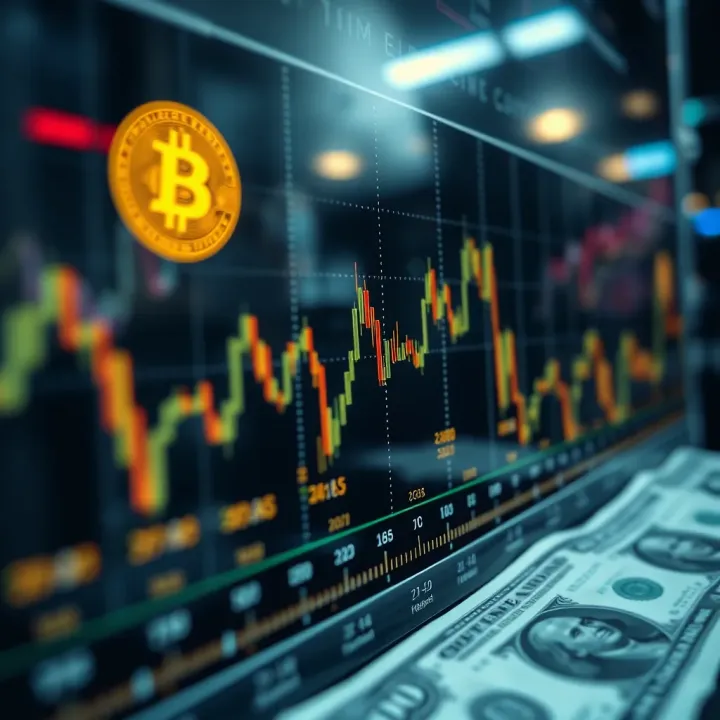
📈 Discover what drives Bitcoin's price in US dollars, how market forces and events shape its value, and what investors should watch for when tracking crypto trends.
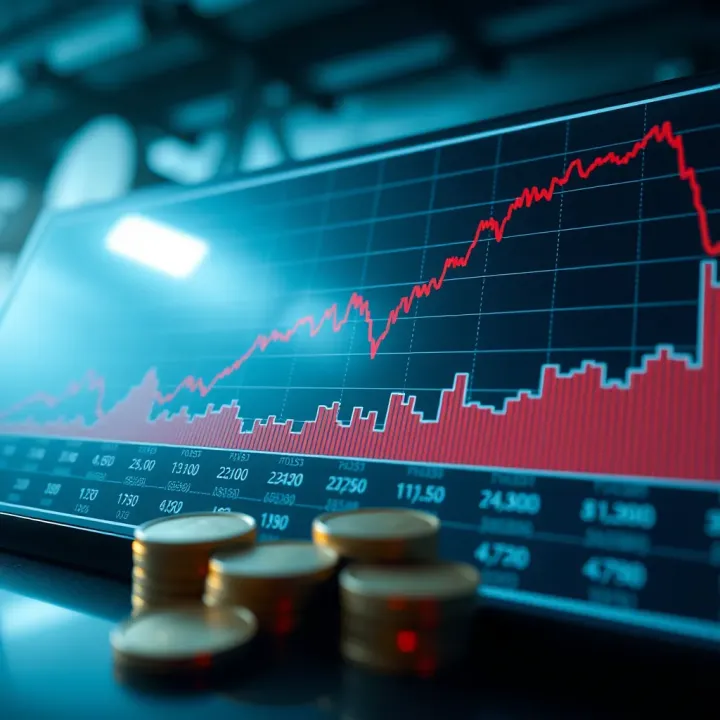
📉 Understand how the euro's exchange rate with the Colombian peso affects trade, travel, and currency risks. Get tips and tools to stay ahead in forex! 💱
Basado en 14 reseñas