
Introducción al Trading Forex en España
📈 Descubre cómo funciona el trading Forex en España: aprende estrategias clave, elige plataformas seguras y conoce los riesgos y beneficios para invertir con confianza.
Editado por
María Luisa Gómez
Understanding gold's real price goes beyond just checking the daily quote. Its value swings due to a mix of factors ranging from supply and demand to global economics and political events.
Gold isn't just a shiny metal; it's a commodity influenced heavily by how much people want it versus how much is available. For example, if central banks decide to add gold to their reserves, demand spikes, pushing prices up. Conversely, mining output can increase supply, sometimes softening prices if demand doesn't keep pace.
Gold often acts as a hedge against inflation. When inflation rates rise, the dollar's purchasing power drops, and investors may turn to gold to preserve value. Meanwhile, interest rates play a part—low rates reduce returns on bonds and savings, making gold more attractive despite its lack of yield.
Uncertainty drives gold prices. Political instability, wars, or trade conflicts often trigger safe-haven buying. Take the 2008 financial crisis, for instance—gold prices surged as investors fled riskier assets.
Gold prices are set on global exchanges like the New York Mercantile Exchange (NYMEX) and the London Bullion Market Association (LBMA). These markets reflect real-time trading activity. Spot price is the current market value for immediate delivery, while futures contracts set the price for future shipment dates. Understanding the difference helps investors interpret market signals correctly.
Remember: Gold's price seen on your phone or news ticker generally reflects the spot price, but actual purchase prices can include premiums or discounts based on product type and dealer markup.
Follow economic indicators: Track CPI (Consumer Price Index), Fed announcements, and unemployment data.
Watch geopolitical news: Conflicts or trade tensions impact gold demand fast.
Know the product: Jewelry, coins, bars, and ETFs carry different costs and liquidity.
Use trusted sources: Rely on established market data providers like Kitco or Bloomberg.
Bottom line: gold’s price is a snapshot shaped by complex, ever-changing factors. Grasping these helps you make informed investments or purchases rather than just chasing headlines.
Gold's price isn't just a number plucked from thin air; it's shaped by several tangible and shifting forces. Understanding these factors helps traders, investors, and entrepreneurs make smarter decisions rather than just following the market's mood swings. Let’s break down what really moves gold prices.
The amount of gold mined worldwide affects its availability. Countries like China, Australia, and Russia produce the bulk of the world's gold. When mining output drops—say due to stricter regulations or costly extraction—supply tightens, pushing prices up. For instance, disruptions in South Africa’s mines in recent years caused a slight pinch in supply, nudging prices higher temporarily.
On the other hand, if a major mine opens with a fresh source of gold, it can add to supply and rein in price spikes. So, tracking mining reports and production forecasts gives valuable clues about gold’s near-term price direction.
Investor appetite swings impact demand sharply. When stocks stumble or inflation worries rise, more people want gold as a safety net. This surge in buying pressure can jack prices up fast. For example, during the 2008 financial crisis, spike in gold purchases drove prices to record highs.
Also, central banks hold vast reserves and buy or sell gold as part of monetary policy. If a bank decides to boost its gold stash, perhaps to diversify reserves or stabilize its currency, it adds to demand and lifts prices. Conversely, selling off reserves can dampen the market. Watching announcements from central banks—especially from big players like the U.S. Federal Reserve or European Central Bank—offers insight into their gold moves.
Gold often shines brightest when inflation eats away at dollar value. Since gold is priced in dollars, rising inflation means your greenbacks buy less of everything — except gold tends to hold value better. So, when inflation goes up, gold’s price usually follows.
Take the inflation surge in the 1970s: gold’s price rocketed as the dollar weakened. Investors bought gold to protect wealth, making it pricey. Today, inflation data from the Bureau of Labor Statistics continues to be a key watchpoint for gold buyers.
The U.S. dollar acts as the world’s reserve currency, so its strength inversely affects gold prices. When the dollar weakens, gold becomes cheaper for holders of other currencies, boosting demand and prices. When the dollar strengthens, gold usually takes a hit.
Interest rates factor in too. Higher rates mean better returns on cash and bonds, which can lure investors away from non-yielding gold. For example, when the Federal Reserve raises rates, gold often dips. But if rates stay low during inflationary periods, gold can still rally as a hedge.
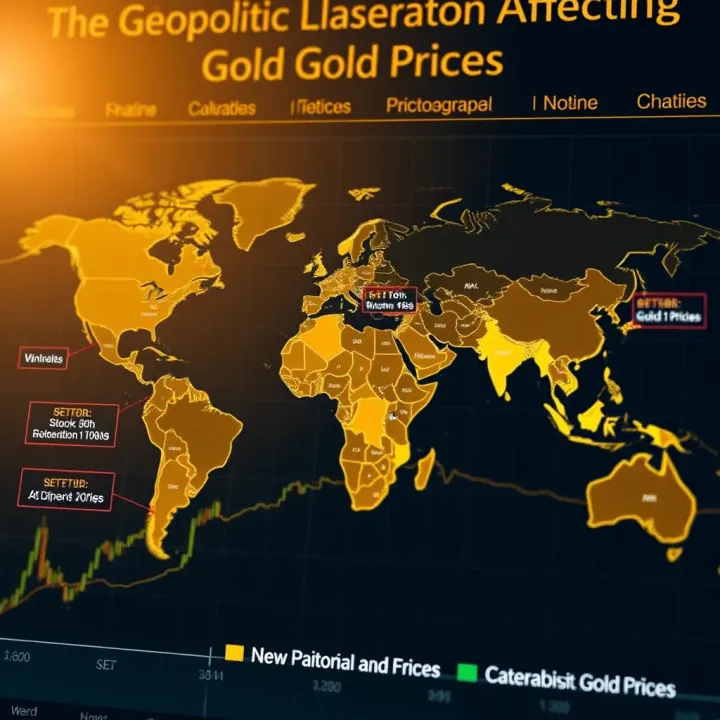
Gold is a classic refuge when political troubles unfold. Unrest, government upheaval, or uncertainty sparks fear, pushing investors to pile into gold. For example, Middle East tensions or sudden election crises have triggered gold price jumps before.
Investors view gold as more stable when governments falter, so political instability anywhere can ripple into gold markets globally.
Trade wars and conflicts disrupt supply chains and economic confidence. The U.S.-China trade tensions of recent years raised gold prices as markets feared slower growth and inflation.
Tariffs and sanctions can also limit access to gold or raise costs, altering supply-demand balances. This dynamic makes gold sensitive to geopolitical drama, reinforcing its role as a safe haven asset.
The bottom line is gold’s price reflects a complex dance among supply constraints, investor behavior, economic signals, and global political realities. Staying aware of these moving parts gives you a sharper edge in understanding and anticipating gold price trends.
Gold pricing in financial markets is a key piece of the puzzle when understanding its real value. Prices fluctuate constantly due to various factors like market demand, economic data, and geopolitical events—but knowing how these prices form helps investors, traders, and buyers make smarter decisions. For example, grasping the distinction between spot prices and future prices can give traders an edge when timing purchases or sales.
The spot price is the current market price to buy or sell gold right now, usually within two business days. It's what you see quoted on financial news or apps in real time. This price reflects immediate supply and demand and is crucial for those buying physical gold or settling short-term trades.
In contrast, the future price refers to the agreed price for delivery of gold at a specific date later on, often months ahead. Futures contracts allow investors to lock in prices and hedge against fluctuations. For example, a jeweler may use futures to secure gold costs ahead of production, avoiding sudden price spikes.
When it comes to investment strategies, spot prices appeal to those looking for immediate exposure or physical gold purchases. Futures are more popular among speculators and institutional traders who bet on price movements or hedge existing positions. Futures can also amplify gains or losses due to leverage, making them riskier but potentially more rewarding.
Critical to gold pricing are exchanges like the COMEX (Commodity Exchange Inc.) in New York and the London Bullion Market Association (LBMA). COMEX handles futures contracts and options, serving as a hub where traders agree on future delivery prices. The LBMA, meanwhile, operates more as an over-the-counter marketplace for gold bullion trade and sets the daily benchmark prices for gold, known as the "London Fix."
These exchanges ensure transparent, regulated trading environments. For instance, COMEX's futures contracts are standardized and cleared through trusted entities, reducing counterparty risk for traders. The LBMA's benchmark price is used worldwide, influencing everything from jewelry costs to central bank reserves.
Prices on exchanges are set through continuous bidding and offering by market participants. At COMEX, prices fluctuate during trading hours based on orders, news, and economic data. The LBMA process involves a twice-daily auction where major banks submit buy and sell orders, establishing the reference price for global markets. These daily price settings are vital for anyone dealing in gold to understand market sentiment and current value.
The US dollar acts as the global benchmark in gold pricing because gold is traded primarily in dollars worldwide. When the dollar strengthens, gold often becomes more expensive for buyers using other currencies, typically pushing prices down. On the flip side, a weaker dollar usually boosts gold prices as it becomes cheaper for international buyers.
For example, if the dollar surges due to strong US economic reports, traders might sell gold anticipating lower demand from abroad, pushing prices down. Conversely, when the dollar slips, countries like India or China find gold more affordable, often leading to higher demand and prices.
Currency swings also add an extra layer of complexity for investors. Those holding gold in non-dollar currencies face exchange rate risks, which can either enhance or reduce returns. This interplay explains why some investors turn to gold during times of currency instability as a hedge.
Understanding how gold prices form in financial markets—by grasping spot vs. futures, exchange roles, and currency impacts—helps investors interpret price signals more clearly and make better-informed decisions.
Understanding how gold prices work is not always straightforward. Many investors, traders, and even students fall into common traps caused by assumptions about gold’s value. Clearing up these misconceptions helps you make better decisions, especially when timing your buy or sell.
Gold doesn’t have a fixed price you can rely on day in and day out. Instead, it’s priced constantly by the market based on supply, demand, and outside economic pressures. For example, the price you see on Tuesday morning can shift several dollars the very next minute because traders around the world react to news, interest rates, or currency changes.
This volatile nature means gold isn’t like a product with a sticker price at your local store. Buyers and sellers negotiate based on current conditions, resulting in prices that fluctuate regularly. Knowing this helps investors avoid the trap of assuming gold prices will hold steady or move predictably.
Speculation plays a significant role in gold’s price throughout the trading day. Investors often buy or sell gold based not just on its physical value but on expectations about the future. For instance, if the market expects inflation to surge, speculators might buy gold in anticipation, pushing prices up even before inflation actually rises.
This behavior can lead to rapid price swings unrelated to actual changes in physical gold supply or demand. It’s worth noting that speculators can amplify short-term price changes, causing a disconnect between gold’s real-world uses and its paper market price. Understanding speculation helps you interpret price moves with a clearer perspective.
Gold comes in various forms, and each carries a different price markup beyond just its weight in metal. Bullion bars or rounds typically offer the closest price to the actual gold content since they have low manufacturing costs. Coins, especially collectible or government-issued ones like American Eagles, include premiums due to craftsmanship and legal tender status.
Jewelry, on the other hand, often costs more per ounce than bullion or coins because it includes design, craftsmanship, and retail markups. So when buying gold as an investment, selecting bullion is usually the most cost-effective route.
Gold purity, measured in karats or fineness, directly affects the price you pay. Pure gold is 24 karats or 99.9% pure, often labeled as 999 fine. Lower karat gold like 18K or 14K contains other metals mixed in, making it less pure and cheaper per unit weight.
For example, a 14K gold ring will contain roughly 58% pure gold, which means you’re paying not only for gold but also for the alloy metals and craftsmanship. Investors focusing on gold’s intrinsic value typically stick with high purity bullion because it guarantees the metal content aligns closely with the price paid.
Keep in mind: when investing, always check the purity and form of gold. It can significantly impact how much value you get for your money.
Understanding these misconceptions provides a solid foundation for interpreting gold prices realistically, helping you make smarter investment choices or informed purchases.
Tracking the real price of gold isn't just about knowing today's number. It helps you understand market movements, spot buying opportunities, and avoid pitfalls. For investors and traders, keeping an eye on price changes over time can reveal when gold acts as a safe haven or when it’s driven by speculation. Even casual buyers can benefit by timing purchases to get the best value, especially during periods of high volatility.
Trusted financial websites and apps provide quick access to up-to-date gold prices. Platforms like Bloomberg, Kitco, and MarketWatch offer live spot prices, historical charts, and news updates that impact gold’s value. Mobile apps like Investing.com or Yahoo Finance also deliver alerts, helping you stay informed on the go. Relying on these sources ensures you’re not working with outdated or inaccurate information, which is critical when prices can shift within minutes.
Government and financial institutions play a big role in providing authoritative data on gold prices. The U.S. Mint, for example, reports prices relevant to coins and bullion. Meanwhile, institutions like the Federal Reserve indirectly influence gold through interest rate policies and currency management. International bodies such as the World Gold Council also publish research and statistics that help interpret trends. Using these trusted sources gives your analysis more credibility and grounding.
Reading historical charts allows you to identify patterns and cycles in gold prices. A chart might show how prices reacted during past inflation spikes or geopolitical crises. For example, after the 2008 financial crash, gold prices rose steadily for years. Spotting such trends provides clues about how gold might behave in similar future scenarios.
Recognizing short-term vs. long-term movements is key to making smart decisions. Short-term price swings often reflect trader sentiment or sudden news, while long-term trends connect to bigger economic forces like inflation or currency shifts. Imagine gold prices jumping on a trade war headline only to settle back a few days later. Understanding these differences helps you avoid knee-jerk reactions and focus on your investment horizon.
Timing purchases effectively can save you money or maximize investment returns. Watch for dips during periods of market uncertainty or when the U.S. dollar strengthens, as gold prices often drop in those times. For instance, buying gold during the early 2020 pandemic slump would have led to gains as prices surged later.
Evaluating physical vs paper gold options matters depending on your goals. Physical gold, like coins or bars, offers tangible ownership and no counterparty risk but involves storage costs and potential resale challenges. Paper gold, through ETFs or futures, allows easier trading and liquidity but comes with risks tied to the platform or market. Knowing these trade-offs will guide your choice based on convenience, safety, and investment strategy.
Bottom line: Tracking gold prices through reliable sources and understanding their trends equips you to make confident, informed decisions whether you're buying for security, speculation, or long-term growth.
📈 Descubre cómo funciona el trading Forex en España: aprende estrategias clave, elige plataformas seguras y conoce los riesgos y beneficios para invertir con confianza.
🌎 Descubre cómo el SNGRD en Colombia organiza y ejecuta estrategias claves para gestionar riesgos de desastres naturales y humanos, involucrando a comunidades y territorios.
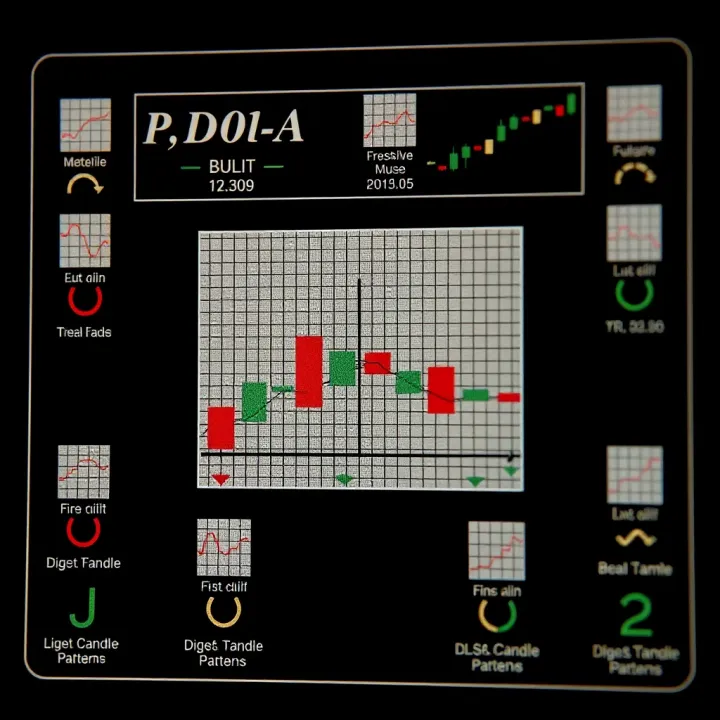
📈 Aprende a identificar y aplicar patrones de velas japonesas en el análisis financiero para mejorar tus decisiones de inversión en el mercado colombiano con seguridad.
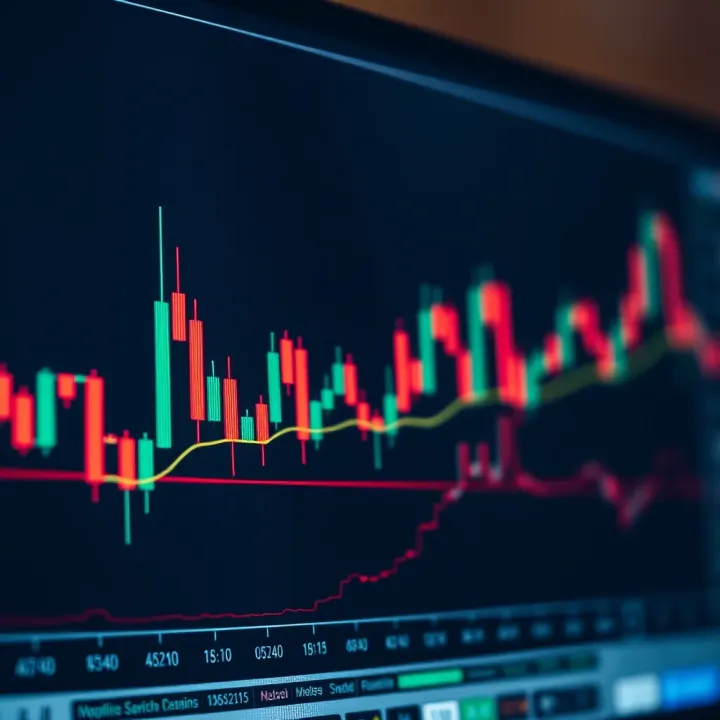
📈 Aprende a interpretar velas japonesas para mejorar tus inversiones. Guía práctica con ejemplos y tips útiles para el mercado financiero colombiano. 🇨🇴
Basado en 12 reseñas