

Opciones binarias en Colombia: guía esencial
📊 Descubre todo sobre las opciones binarias en Colombia: su funcionamiento, riesgos, ventajas y reglas actuales para invertir con seguridad y conocimiento.
Por
Diego Muñoz
Editado por
Diego Muñoz
Investing in gold in Colombia can be a smart way to diversify your portfolio and shield your wealth from economic fluctuations. However, it’s vital you get a solid grip on the local market and legal side before diving in.

Gold mining is a big deal in Colombia, with the country sitting among the top gold producers in Latin America. But remember, much of the gold trade happens through informal channels, which can make prices and quality vary a lot. That’s why knowing the right sources is key — whether that’s licensed dealers or established financial institutions.
Your options range from physical gold to financial instruments. Here’s a quick breakdown:
Physical gold: bars, coins, and jewelry you can hold. It’s tangible but requires secure storage and insurance.
Gold ETFs (Exchange-Traded Funds): financial products traded on the stock market, offering exposure without needing a safe at home.
Gold mining stocks: investing in Colombian mining companies, though this comes with company-specific risks.
Gold certificates and accounts: offered by some local banks, letting you own gold without physical possession.
The Colombian government regulates mining and gold trading through agencies like ANM (National Mining Agency) and the Superintendence of Finance oversees financial products linked to gold. Make sure any gold seller or platform you use complies with these authorities to avoid scams or legal troubles.
Always get a certificate of authenticity for physical gold.
Use reputable dealers or official exchanges.
Verify licensing and customer reviews before engaging.
For financial products, read the fine print, especially related to fees and liquidity.
Keep in mind: Colombia's gold market can be lucrative but also unpredictable, so it’s wise to balance gold with other investments.
Price volatility: gold prices can fluctuate daily based on global economic factors.
Illegal mining: buying from unlicensed sources risks supporting criminal operations and losing your investment.
Economic and political changes: Colombia’s local policies can impact the gold market quickly.
Understanding these basics arms you to make smarter, safer choices when investing in gold in Colombia.
Grasping how the gold market operates in Colombia is key to making smart investment moves. Knowing where gold comes from, how it influences the economy, and its cultural weight helps you see beyond just the price tag. This section breaks down the nuts and bolts of Colombia’s gold scene so you can spot opportunities and avoid common pitfalls.
Colombia ranks among the top gold producers in Latin America, with mining spread across regions like Antioquia, Chocó, and Bolívar. Antioquia's mountainous terrain hosts both large-scale and artisanal mines, making it attractive for investors interested in local mining companies or physical gold. Understanding these hotspots is practical because regional mining activities directly affect supply and, ultimately, price fluctuations.
Gold isn’t just mined here; it’s a pillar of Colombia’s economy. The sector contributes significantly to export revenues and employment, especially in rural areas where mining provides jobs to thousands. For you as an investor, this means Colombian gold prices are influenced not only by global trends but also by internal economic factors like mining policies and labor dynamics.
Historically, Colombia’s gold prices have mirrored the global market but with sharper swings linked to local political events or environmental regulations. For instance, in recent years, government crackdowns on illegal mining sharply reduced supply from certain areas, pushing prices up temporarily. Keeping an eye on such developments gives you an edge when timing your investments.
Gold has deep roots in Colombian culture, often seen as a safe haven during times of economic instability. Many families pass down gold jewelry as heirlooms, treating it as both an investment and a symbol of heritage. This tradition means there’s a steady internal demand for physical gold, which can help support prices even when international markets dip.
However, informal mining remains a big part of Colombia’s gold story. Small-scale miners operating without proper licenses sometimes flood the market with unregulated gold. While this raises ethical and legal questions, it also affects the market by adding unpredictability to supply chains. Being aware of these dynamics helps investors avoid shady channels and supports ethical investment decisions.
Finally, Colombian investors themselves fuel demand, viewing gold as a hedge against inflation and currency volatility. During economic uncertainty, many switch savings into gold bars or coins instead of cash or stocks. Understanding this behavior helps you anticipate shifts in demand patterns, especially during times of political or economic tension.

The bottom line: Knowing the local gold industry's details equips you to make better choices, whether you’re buying physical gold, investing in mining stocks, or exploring other gold products in Colombia.
Investing in gold in Colombia can take several shapes, each with its perks and things to watch out for. Knowing your options is key to choosing the right fit, especially in a market that's regional but influenced by global trends.
When it comes to buying physical gold, most investors turn to reputable local dealers in cities like Bogotá and Medellín, or authorized banks that offer gold bars and coins. While some may prefer the hands-on approach of owning tangible assets, sources can vary widely in reliability, so it’s crucial to verify dealer credentials.
Keeping physical gold safely is a top concern. Storing it at home demands a robust safe that's fire-resistant and secure against theft, but many investors also consider bank safety deposit boxes or specialized vault services. The trade-off here is accessibility versus security—home safes offer convenience, while vaults provide professional protection.
Authenticity and purity of gold matter a lot, especially with physical assets. Using certified assay marks or purchasing items with recognized certification (like the London Bullion Market Association or LBMA) helps avoid fakes. Testing methods like electronic gold testers or X-ray fluorescence (XRF) are common ways to confirm quality.
Gold-backed securities are gaining ground in Colombia’s investment circles. These products, such as mutual funds or bonds backed by physical gold, offer the chance to invest in gold without handling the metal. They combine market exposure with the ease of trading through brokerages.
Exchange-Traded Funds (ETFs) linked to gold provide Colombians exposure to global gold prices without owning physical gold. For example, ETFs like SPDR Gold Shares (GLD) are available through international brokerage accounts and are popular for their liquidity and transparency.
Gold accounts and certificates represent ownership of gold stored by financial institutions but without physical delivery. This option reduces storage hassles and is often used by those interested in speculative investment or portfolio diversification.
Stocks in mining companies offer another way to invest indirectly. Colombian firms involved in gold mining or international giants like Newmont Corporation can provide leverage on gold price movements but also carry company-specific risks such as management or operational issues.
Mutual funds and other pooled investment vehicles that focus on natural resources or precious metals are accessible via local or international brokerages. They can include a mix of equities, bonds, and commodities, spreading risk but still giving exposure to gold.
Understanding how you want to hold gold—physically or through financial products—helps you navigate risks and rewards specific to the Colombian market and beyond.
Navigating Colombia’s gold market means getting a clear picture of the legal and regulatory landscape. Understanding these rules helps you avoid common pitfalls, ensures your investment is secure, and keeps you compliant with government regulations.
When it comes to buying and selling gold in Colombia, the law requires transactions to be transparent and well-documented. Buyers and sellers must verify the source of the gold and maintain receipts or contracts proving the legitimacy of the trade. This helps curb illegal mining and unregistered sales that could lead to legal trouble.
Tax-wise, gold investments are subject to Colombia’s tax codes like any other asset. Gains made from selling gold can trigger capital gains tax, depending on how long you've held the investment and how much you profited. Investors need to report these gains in their annual tax filings to avoid penalties or audits. For example, if you’ve owned physical gold bars for more than two years, you might benefit from a lower tax rate on profits.
Anti-money laundering (AML) rules play a big role too. The Colombian government monitors gold trades closely because gold can be a vehicle for laundering illicit funds. Dealers and financial institutions involved in gold sales must follow strict AML protocols, including verifying customer identities and reporting suspicious activities. As a result, routine audits and customer checks are common, making it riskier for anyone trying to hide illegal activities through gold investments.
The Colombian Ministry of Mines oversees the country's mining sector, including gold extraction and distribution. They enforce environmental and operational standards that mining companies must follow. For investors, this means the gold purchased comes from mines compliant with national laws—reducing the risk of buying illicit or poorly sourced gold. The ministry also provides updates on mining policies that can affect gold availability and pricing.
On the financial side, the Superintendence of Finance supervises investments in gold-related securities and funds. They regulate financial entities to protect investors from fraud and ensure market stability. For instance, if you're investing in gold-backed ETFs or mutual funds in Colombia, this body sets the rules those companies must follow and handles investor complaints or disputes. Their oversight adds a layer of trust and accountability, especially when dealing with paper gold rather than physical assets.
Keep in mind: Before diving into gold investment, check the credibility of dealers and stay updated on regulatory changes. Compliance isn’t just about following rules—it safeguards your investment and peace of mind.
Buying and selling gold in Colombia requires a cautious approach to protect your investment. Understanding how to find trustworthy dealers, negotiate prices, handle transactions correctly, and securely store gold makes all the difference. These steps not only minimize risks but also ensure you get fair value and avoid legal or financial pitfalls.
Choosing licensed dealers or well-established marketplaces is your safest bet when buying gold. Licensed dealers comply with government regulations, which reduces the chance of fraud. For example, Colombia’s regulated markets in Bogotá and Medellín often have official certification that you can verify before making a purchase.
Avoiding scams and counterfeit gold is a major concern in this market. There have been cases where investors bought gold that didn’t meet purity claims or was outright fake. A practical tip is to insist on testing the gold before buying—standard tests like acid verification or electronic analyzers can help confirm authenticity. Always ask for documented proof of purity to back your purchase.
Negotiating prices can be tricky, especially in physical gold transactions where markups vary widely. Don't be shy in comparing offers from multiple dealers and asking for bulk discounts if you buy larger amounts. For instance, some Medellín dealers might offer better prices mid-week when demand dips.
Documentation and receipts play an essential role. Every transaction should come with formal receipts detailing the quantity, purity, price, and date. This paperwork isn't just good business practice; it protects you legally if you decide to resale or face tax audits.
When it comes to payment methods, cash is still king in many gold deals but carries risks like theft or lack of proof. Banks transfers or digital payments via secure platforms (like Colombian banks’ online systems) offer a safer trail. Also, consider currency fluctuations if paying in US dollars instead of Colombian pesos to avoid unexpected losses.
Deciding where to safely store your gold is critical. Home safes can work but are vulnerable to burglary or damage, especially in areas without strong neighborhood security. On the other hand, bank vaults offer higher security but come with rental fees that vary widely. For example, Bancolombia’s safe deposit boxes in Bogotá might charge around $100-$200 per year depending on size.
Insurance for gold holdings gives an extra layer of protection against theft or disasters. While some homeowner policies might cover small amounts of gold, larger investments usually need specific insurance. Check with Colombian insurance providers for policies covering precious metals; this safeguards your asset and can offer peace of mind.
The bottom line is that smart gold investment goes beyond buying—it’s about knowing who to trust, how to transact securely, and where to protect your investment once you own it.
Investing in gold in Colombia requires a clear understanding of both the potential rewards and the risks involved. Gold has long been valued not just as a commodity, but as a financial refuge in times of economic uncertainty. However, its price can fluctuate due to several factors that investors need to keep on their radar. Knowing these ups and downs helps investors make smarter decisions and avoid surprises that could erode returns or trap capital.
Gold prices in Colombia, like elsewhere, are influenced by global economic shifts, currency values, and geopolitical tensions. When inflation picks up or the Colombian peso weakens against the dollar, gold often becomes more attractive, pushing prices higher. On the flip side, if interest rates rise sharply or financial markets are stable, gold might lose its luster and dip in value.
Historically, gold has shown periodic swings but tends to hold steady or even strengthen during economic stress. For example, during the 2008 financial crisis, gold prices surged as investors sought safe havens. Colombian investors should track both international trends and local economic indicators, as domestic political events or mining disruptions can also affect supply and pricing.
Selling physical gold in Colombia can pose challenges, especially if an investor holds obscure coins or unverified bars. Trusted dealers or banks will usually offer reasonable resale options, but the bid-ask spread (the difference between buying and selling price) may cut into profits. Plus, lack of standardized purity or certification might scare potential buyers off.
In contrast, gold securities like mining stocks or ETFs offer deeper markets, where shares can be bought and sold quickly on exchanges. However, these come with their own risks tied to market volatility and company performance. The market depth provides easier liquidity, but investors should be aware of fees and commissions that chip away at gains.
Gold offers a strong hedge against inflation and currency risks, especially relevant for Colombians dealing with peso depreciation. When inflation erodes purchasing power, gold's value typically rises or stays stable, protecting investors’ savings from losing ground. Plus, during times when the peso takes a hit against the US dollar, gold priced in dollars can offset losses on peso-denominated assets.
Including gold in a diversified portfolio also reduces overall risk. Unlike stocks or bonds, gold prices often move independently, so it cushions investors during market downturns. For instance, in periods when stock markets slump, gold can provide balance, smoothing returns over time. This diversification is especially useful in Colombia’s dynamic economic environment, where political or commodity swings can shake traditional investments.
Bottom line: Gold isn’t a guaranteed earner, but it safeguards wealth against uncertainties and market chaos. Colombian investors who weigh its risks and benefits thoughtfully can use gold to stabilize and grow their portfolios over the long run.
📊 Descubre todo sobre las opciones binarias en Colombia: su funcionamiento, riesgos, ventajas y reglas actuales para invertir con seguridad y conocimiento.

📊 Descubre cómo está regulada la inversión en opciones binarias en Colombia 🇨🇴, sus riesgos y consejos para operar con seguridad. ⚠️ Invierte informado.
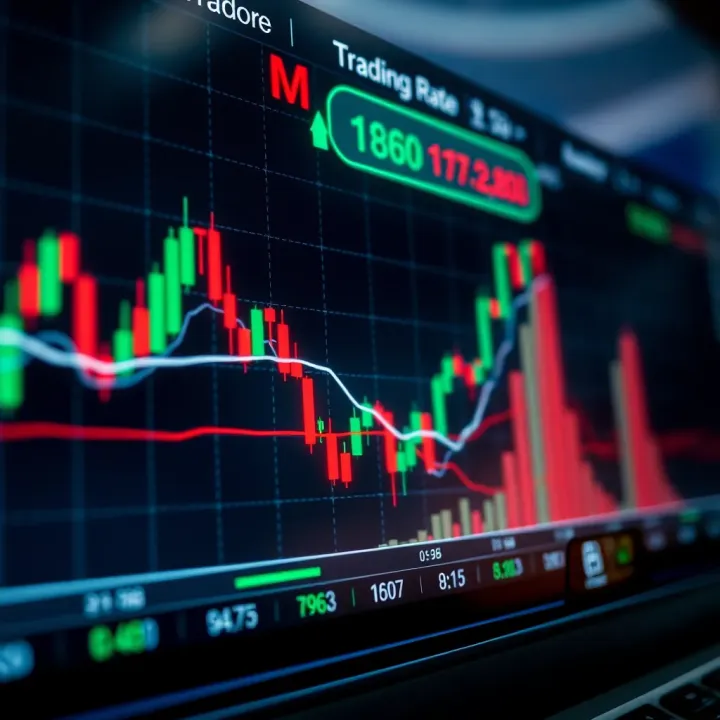
📊 Descubre cómo empezar en Forex con estrategias claras, gestión de riesgo y plataformas seguras, especialmente para inversionistas en Colombia interesados en divisas.

📊 Descubre cómo operar con opciones binarias en Colombia: guía completa con análisis de riesgos, regulación, plataformas y estrategias seguras para invertir.
Basado en 5 reseñas