
Introducción al Trading Forex en España
📈 Descubre cómo funciona el trading Forex en España: aprende estrategias clave, elige plataformas seguras y conoce los riesgos y beneficios para invertir con confianza.
Editado por
Diego Ramírez
Picking a reliable trading app means more than just having fancy charts and stock tickers. At its core, a trustworthy app should give you solid security, easy navigation, and access to the markets you’re interested in without hidden fees holding you back.
Security comes first. Look for apps that use two-factor authentication (2FA) and encrypt your personal data. For example, apps like E*TRADE and Charles Schwab have invested heavily in securing user accounts, keeping your money and information locked tight.
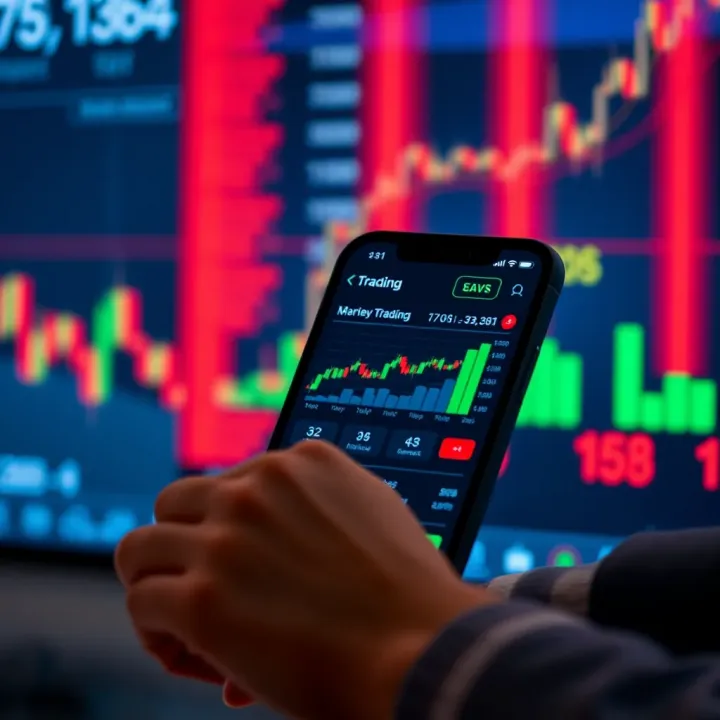
Ease of use matters, too. Even if you're a pros at trading, cluttered interfaces slow you down. Robinhood, for instance, is popular for its clean design and simple order execution, making it a favorite for beginners and casual traders. Think about whether you want to trade stocks only or also cryptocurrencies, options, ETFs, or mutual funds, and see if the app supports those choices.
Fees and commissions can eat into gains. Many apps advertise "commission-free" trades, but watch out for extra costs like withdrawal fees, inactivity charges, or pricey margin rates. Fidelity and TD Ameritrade provide full-priced transparency, so there are no unpleasant surprises.
Choosing the right trading app shapes your investing journey – it impacts your costs, speed, and overall confidence in the markets.
Lastly, check on customer support and additional tools. Reliable apps offer live chat or phone support during market hours because when you hit a snag, waiting hours for a reply isn't an option. Tools like real-time news alerts, educational videos, and research reports also make a difference.
Here’s a quick checklist for spotting dependable trading apps:
Strong security features like 2FA and encryption
Transparent fee structure with no hidden charges
Intuitive interface tailored to your trading style
Support for trading multiple asset types (stocks, crypto, ETFs)
Responsive customer service
Access to market news and educational materials
Keep these points in mind, and you’ll be better equipped to pick a trading app that suits your needs—not just now, but as your trading style evolves through 2024 and beyond.
Choosing a reliable trading app is more than just picking one that looks slick or has lots of downloads. It’s about finding a platform that protects your money, offers the tools you need, and fits your investing style. Knowing what makes a trading app dependable can save you from security headaches, unexpected fees, or missing out on profitable chances.
Data protection and encryption are the first line of defense in any trading app. When you buy or sell stocks or crypto, your personal and financial info flies through the internet. Reliable apps use strong encryption methods, like AES-256 or TLS, to make sure hackers can't intercept or decode your data. Imagine it like writing a note in invisible ink — even if someone grabs it, they can’t read it without the special key.
Licensing by financial authorities is a legal green flag. Apps licensed by entities such as the SEC or FINRA comply with strict rules designed to keep your investments safe and fair. Without proper licensing, you could be dealing with a sketchy app that might disappear with your money or trade against you. Look for apps with clear disclosures about their regulatory status; this builds trust.
Two-factor authentication (2FA) adds an extra lock on your account beyond just a password. Even if a sly hacker guesses your password, they’ll still need a second piece of info, usually a code sent to your phone. It’s like securing your front door with both a lock and a security alarm — way tougher to break into. Trading apps offering 2FA are practically standard now, so steer clear of those that don’t.
Ease of navigation in a trading app affects how quickly and comfortably you can place trades or check your portfolio. If buttons are buried or menus confusing, you might miss trading opportunities or make mistakes. Apps like E*TRADE and Robinhood prioritize a clean layout, letting users find stocks, view charts, and execute orders in just a few taps.
Speed and reliability matter when markets move fast. An app that freezes or crashes during peak trading hours can cost you money. In real situations, prices shift in seconds. Apps hosted on strong servers with low downtime — like TD Ameritrade’s platform — prove they’re ready for high traffic and sudden spikes.
Educational resources lift new investors from feeling lost to making smart decisions. Whether it’s articles, videos, or interactive tutorials, having these materials built into your app helps you understand market trends and strategies without hunting elsewhere. Charles Schwab’s app, for example, includes daily market insights and beginner guides right on the dashboard.
Most trading apps cover basic stocks, ETFs, and mutual funds, letting you build a diverse portfolio without juggling multiple platforms. For instance, Fidelity’s app allows instant access to thousands of US-listed stocks and funds, suitable for both beginners and experienced traders.
Cryptocurrencies have become mainstream, so many apps now support Bitcoin, Ethereum, and others alongside traditional assets. Apps like Coinbase combine crypto trading with educational tools to help folks get comfortable with this volatile market. Offering alternative assets like options or commodities adds even more ways to diversify risk.
Accessing international markets means you’re not confined to US exchanges. Apps that provide global stocks let you invest in firms from Europe, Asia, or Latin America, opening doors to growth outside typical markets. Interactive Brokers, for example, offers access to over 135 markets worldwide, a big plus if you want broader exposure.
Picking a reliable trading app isn’t just about features; it’s about trust, usability, and options that match your investing goals. Keeping these factors in mind can help you find the right platform to grow your portfolio safely and confidently.
Knowing which trading apps stand out today is essential for finding a platform that suits your investment style, security needs, and asset preferences. Reliable apps not only make buying and selling straightforward but also protect your hard-earned money and personal data. In 2024, the competition is fierce, from stock-centric apps like E*TRADE and Charles Schwab to crypto-focused platforms like Coinbase and Binance, each offering distinct advantages.
Features of leading stock trading platforms: Top stock trading apps prioritize a clean, intuitive interface with powerful features such as real-time quotes, advanced charting tools, and research reports. For example, TD Ameritrade’s thinkorswim platform offers robust technical analysis tools that traders love, while Robinhood focuses on simplicity and ease of use for beginners. These features help both novice and experienced traders make quick, informed decisions.
Fee structures and commission details: Lower costs can directly impact your profits, making fee transparency vital. Most major stock apps, like Schwab and Fidelity, offer zero-commission trades on stocks and ETFs, but watch out for hidden fees like margin rates or broker-assisted trade charges. It's wise to compare these fees carefully—sometimes a cheaper app might have limited service or less reliable trade execution.
User reviews and ratings summary: User feedback often reveals how apps perform in real-life conditions. For instance, many investors praise Webull for its advanced features and ease of use but criticize occasional slow customer support response times. Checking aggregated ratings from sources like the App Store or Trustpilot gives a quick feel for reliability and user satisfaction.
Security features specific to crypto apps: Crypto trading demands strong security because digital assets are prime targets for hackers. Leading apps like Coinbase and Gemini use multiple layers of security including cold storage of assets, biometric login, and insurance policies against theft. Two-factor authentication is standard, but look for apps that also alert you of unusual login attempts.
Supported cryptocurrencies and trading pairs: Variety matters. Apps like Binance offer access to hundreds of cryptocurrencies and diverse trading pairs, whereas simpler apps may only cover Bitcoin, Ethereum, and a handful of major tokens. A broader selection means more flexibility to diversify your portfolio or seize emerging opportunities.
Integration with wallets and external exchanges: Smooth transfer between wallets and trading platforms can save time and reduce errors. For example, Coinbase supports direct wallet integration plus lets you link accounts with external exchanges, making it easier to manage your holdings without repetitive logins or manual transfers.
Multi-asset platforms overview: Apps like eToro and Interactive Brokers shine here by letting you trade stocks, ETFs, commodities, forex, and crypto all in one place. This reduces the hassle of juggling multiple accounts and helps keep your investment strategy cohesive.
Tools for portfolio management: Good apps don't just let you trade; they help you track your entire portfolio’s performance with detailed analytics, tax reporting features, and customizable dashboards. This makes rebalancing or identifying underperforming assets easier to handle.
Customizable alerts and reporting: Price alerts and notifications for earnings reports or dividend dates let you react fast to market changes or financial events. Many apps allow you to tailor these alerts to your preferences, so you're not bombarded with irrelevant info but still stay ahead.
Choosing the right app depends on your focus. Whether you’re after straightforward stock trading, crypto adventures, or a multi-asset approach, knowing what each app offers and its limits will save you headaches down the road.
Choosing the right trading app can make a real difference in your investing success. Not all apps fit every trader’s needs, so you should look closely at how they align with your goals and style. Whether you’re aiming for quick trades or steady growth, picking the right platform sets the stage for smoother trading and better decision-making.
Your trading strategy should guide your app choice. If you’re into short-term trading—day trades or swing trades—you’ll need an app that delivers quick order execution and real-time market data. For example, apps like Thinkorswim by TD Ameritrade offer tools specifically designed for fast, active trading. Conversely, for long-term investors, ease of use and low fees might matter more than lightning-fast trades. Apps such as Fidelity or Vanguard specialize in long-term investing by offering broad mutual fund choices and low expense ratios.
Knowing your risk tolerance helps you select an app that fits your comfort level. If you’re a cautious investor, look for platforms with strong educational resources and conservative investment options like diversified ETFs. On the other hand, if you’re comfortable with high volatility, apps offering access to options trading or cryptocurrencies, like Robinhood or Coinbase, could suit better. Be mindful of how much risk the app’s features encourage, so you don't end up overexposed to risky bets.
Not every trader relies on charts and detailed research, but if you do, this might be a deal breaker. Advanced traders benefit from apps that provide comprehensive charting tools, analyst reports, and customizable screeners. For instance, E*TRADE and Charles Schwab offer integration with research providers like Morningstar and access to in-depth data. Beginners might prefer apps with built-in tutorials and simpler market summaries, so they can learn without feeling overwhelmed.
Try out demo accounts to get a feel for the app’s interface and test strategies without risking real money. Practicing order placement and exploring technical tools on a simulated platform can reveal if the app suits your trading style. For example, Thinkorswim lets users paper trade with full access to its features, which is invaluable before committing funds.
Keep in mind that demo accounts often don’t replicate real market conditions perfectly. Slippage, liquidity, and emotional factors in live trading can differ. Also, some trial versions limit access to all functions or real-time data. Knowing these limits helps manage expectations and avoid surprises when switching to live trading.
Look beyond the app itself—check what education and support the provider offers. Good customer service, tutorials, webinars, and forums boost confidence, especially if your questions pop up at odd hours. Apps like Fidelity and Charles Schwab shine in this area with robust learning centers and helpful chat support.
The bottom line is this: invest some time trying demo versions and exploring educational materials before you pick. It will save you headaches and align your toolset with your goals for smoother, smarter trading.
Protecting yourself while trading is just as important as picking the right app. Trading apps deal with sensitive financial information, so keeping your account and data safe should be a top priority. Poor security can lead to hacking, unauthorized trades, or financial loss. Staying vigilant helps you avoid these risks and ensures your investments stay protected.
Setting strong passwords and enabling 2FA is a simple but effective way to lock down your account. Use unique passwords with a mix of letters, numbers, and symbols — something tough to guess, not your pet’s name or birthdate. Then turn on two-factor authentication (2FA), which requires a second check like a text code or authenticator app. This double layer means even if someone cracks your password, they still can’t get in without your phone. For example, platforms like Robinhood and E*TRADE make 2FA easy to set up and highly recommended.
Recognizing phishing attempts and scams can save you from falling prey to fraudsters. Phishing often comes through emails or texts pretending to be your trading app or bank. These messages might ask you to click weird links or enter your login info. Real trading apps won't ask for passwords via email or text. To avoid scams, double-check sender addresses and never login through suspicious links. If in doubt, go straight to the official app or website to log in.
Regularly updating software keeps your defenses strong. Trading apps and phone operating systems get updates to fix security holes or bugs. Skipping these updates is like leaving your front door unlocked. Updates might also add useful security features. Whether you’re on an iPhone or Android, set apps to update automatically or remind yourself to check for updates weekly.
Identifying transaction fees helps you avoid surprises that chip away at your profits. Every trade could carry fees — commissions, spreads, or exchange levies. While many apps offer commission-free stock trades, other assets like options or cryptocurrency might still come with charges. For example, Coinbase charges a spread plus transaction fees on crypto trades. Check the fee schedule before making trades.
Withdrawal and inactivity charges can quietly drain your account over time. Some apps charge to withdraw funds or if your account remains inactive for months. Imagine leaving $500 in an account and losing $10 quarterly because you didn’t trade. To avoid this, pick apps with no or low inactivity and withdrawal fees, or use the app regularly to keep those charges at bay.
How fees impact overall returns matters more than you might think. Even small fees add up, lowering your real gains. Suppose your portfolio grows 8% annually but fees take 1.5%. Over 10 years, those fees could reduce your final amount significantly. Being aware of fees lets you choose the best app for your trading style and budget, ensuring more of your money stays invested.
Safety isn't just about technology — it’s also about staying informed and cautious. Always know what you're paying for and protect your accounts like you would your wallet.
Getting the most from your trading app means tapping into the features designed to help you make smarter, faster decisions. Beyond just buying and selling, a good app puts powerful tools at your fingertips — tools that can boost your trading strategy and keep you in tune with market moves. Think of these features as your digital trading desk, ready to give you insights and alerts so you’re never out of the loop.
Accessing real-time market data is a must-have for active traders. Prices can shift in seconds; having up-to-the-minute quotes means you’re working with fresh info, not yesterday’s news. For example, if you’re watching a tech stock like Apple or Tesla, a 30-second delay might cost you a chance to snag a better price or avoid a sudden dip.
Utilizing charting and technical indicators helps you spot trends and patterns. Most trading apps offer line charts, candlestick charts, and plenty of indicators like moving averages, RSI (Relative Strength Index), or MACD (Moving Average Convergence Divergence). These tools reveal momentum shifts or overbought conditions that aren’t obvious from price alone. Picture this: you notice a support level holding steady during a selloff, signaling a possible rebound — that’s where these charts prove their worth.
Following news feeds and expert analysis within the app keeps you connected to the why behind the price moves. Instead of hopping between multiple sites, you get key headlines, earnings reports, and expert takes all in one place. Say a major retailer reports better-than-expected earnings; an integrated news feed alerts you instantly, letting you react before the wider market catches on.
Setting up custom notifications means you don’t have to stare at the screen all day. You can create alerts for price targets, volume changes, or news events, and get notified by push messages. Say you’re waiting on a stock to hit $150 — once it does, the app buzzes, letting you jump on the opportunity or reassess your position.
Using automated trading features wisely can save time but requires caution. Some apps let you set rules to buy or sell automatically when conditions are met. For instance, a stop-loss order can limit losses by selling a stock if its price falls below a set level. However, automation can’t replace judgment — it works best when paired with a solid strategy.
Balancing automation with manual decision making is key. Automation handles routine tasks and emergencies, but human insight is crucial for adapting to unexpected news or changing market sentiment. Imagine a sudden geopolitical event causing market chaos; you’ll want to override automated trades and step in personally.
Bottom line: trading apps offer powerful tools, but your success comes from blending technology with smart, timely decisions. Use analytics and automation to your advantage, but keep your wits about you to navigate the markets effectively.
📈 Descubre cómo funciona el trading Forex en España: aprende estrategias clave, elige plataformas seguras y conoce los riesgos y beneficios para invertir con confianza.
📈 Descubre cómo elegir la mejor plataforma de trading online, sus funciones, seguridad y costes para invertir con confianza y eficacia en los mercados.
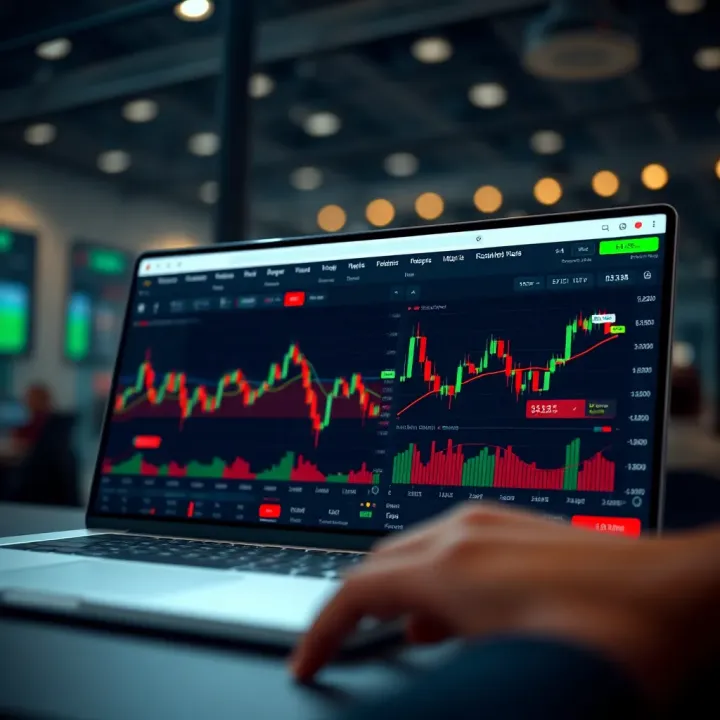
Explora las mejores plataformas de trading gratis 🆓, descubre sus ventajas y limitaciones, y aprende a operar sin inversión inicial ni comisiones 💹.
📈 Aprende trading desde cero con esta guía completa: conceptos básicos, tipos de mercados, estrategias y herramientas clave para principiantes. ¡Empieza hoy!
Basado en 11 reseñas