
Introducción al Trading Forex en España
📈 Descubre cómo funciona el trading Forex en España: aprende estrategias clave, elige plataformas seguras y conoce los riesgos y beneficios para invertir con confianza.
Editado por
Isabel Fernández
Bitcoin's price in US dollars is shaped by a mix of factors that can feel like a rollercoaster ride to even seasoned investors. At its core, Bitcoin behaves like a digital asset whose value depends largely on supply and demand dynamics. Unlike traditional currencies, Bitcoin’s supply is capped at 21 million coins, which adds a layer of scarcity that can push prices sharply upward when demand surges.
Market sentiment drives much of the day-to-day price fluctuations. News events, regulatory announcements, and big buy or sell moves by large holders—often called whales—can send prices swinging wildly. For example, when a major company announces it will accept Bitcoin as payment, demand climbs and prices tend to rise. On the flip side, news about government crackdowns or technical flaws might lead to sudden drops.
Another key driver is the broader adoption of Bitcoin. More merchants, payment services, and financial products involving Bitcoin mean increased usability and appeal, which often supports long-term price growth. Institutional investment, such as hedge funds or publicly-traded companies buying Bitcoin, signals growing confidence and typically attracts more buyers.
Historical trends show Bitcoin’s price has gone through rapid cycles of bull runs and corrections. Between 2017 and 2021, for instance, Bitcoin experienced several spikes over $10,000, $20,000, and even $60,000, followed by periods of sharp pullbacks. This volatility means tracking Bitcoin requires keeping up with both technical price charts and real-world developments.
Understanding the forces behind Bitcoin’s price helps investors separate hype from reality and make smarter decisions.
To monitor Bitcoin’s value effectively, keep an eye on:
Regulatory environment: Watch for new rules from the SEC or global regulators that might restrict or support Bitcoin trading.
Market liquidity: Higher trading volumes on exchanges like Coinbase or Binance make price moves smoother.
Technological updates: Upgrades in Bitcoin’s protocol or security patches can boost confidence.
Macroeconomic factors: Inflation rates, currency fluctuations, and interest rates can influence Bitcoin’s appeal as an alternative asset.
By combining these insights, traders and investors can better navigate the twists and turns of Bitcoin pricing and align their strategies with market realities.
Bitcoin's price in US dollars is shaped by several key factors that reflect both its unique nature as a digital asset and traditional market mechanics. Understanding these factors helps traders, investors, and enthusiasts grasp why Bitcoin's dollar value can swing widely and why there’s often no single, definitive price at any moment.
At the core, Bitcoin's price boils down to simple supply and demand. There’s a fixed total supply of 21 million bitcoins, a fundamental limit coded into its blockchain protocol. This cap creates scarcity, much like rare metals or collectibles. However, demand can vary widely based on investor interest, economic trends, and hype cycles.
For example, when governments announce stricter currency controls or inflation fears rise, more people may look to buy Bitcoin as a store of value, pushing prices up. Conversely, if negative news deters buyers or large holders sell off their coins, demand dips and so does the price. Bitcoin's volatility largely stems from this tug-of-war between how many people want it and how many coins are available for sale.
Cryptocurrency exchanges serve as the main platforms where Bitcoin changes hands for dollars. Different exchanges can show different prices because they act as independent markets with varying participants, trade volumes, and liquidity levels. Coinbase, Binance.US, Kraken, and Gemini are some of the leading exchanges in the US dollar market.
For instance, if a large buyer places a massive order on Coinbase but not on Kraken, the price on Coinbase might momentarily spike due to that demand. Price discrepancies between exchanges often present arbitrage opportunities for savvy traders but also add layers of complexity to Bitcoin’s price discovery.
Bitcoin trading involves converting between fiat currencies and crypto, which introduces currency conversion effects. Even though we're focusing on Bitcoin priced in US dollars, the global nature of crypto markets means that Bitcoin first traded in other currencies (like euros or yen) can indirectly influence the dollar price.
Liquidity also plays a crucial role. On exchanges or markets with high liquidity — meaning many buyers and sellers are active — Bitcoin's price tends to be more stable and reflects broader market consensus. Low liquidity can cause more dramatic price swings even on small trades.
Bottom line: Bitcoin’s dollar price is a snapshot driven by who’s buying and selling, where they trade, and how easily they can buy or sell their coins. Understanding these elements helps make sense of Bitcoin’s often unpredictable pricing behavior.
By keeping an eye on supply-demand balances, exchange activity, and liquidity conditions, you get a clearer picture of Bitcoin’s valuation in US dollars and why it moves the way it does.
Understanding Bitcoin's historical price trends is essential for anyone looking to grasp its market behavior and evaluate future movements. Bitcoin’s past swings reveal not just its volatility but also offer insight into how external events, market sentiment, and technological developments have shaped its value in US dollars.
Bitcoin's early years were marked by wild swings and uncertain growth. Back in 2010, you could pick up a whole Bitcoin for just a few cents. Prices stayed in the single-digit dollars range for quite a while, largely because its adoption was limited to hobbyists and early enthusiasts. For example, in May 2010, a famously documented transaction involved someone paying 10,000 BTC for two pizzas—a moment now dubbed as the "Bitcoin pizza day." This period reflected a mining community experimenting more than a true market-driven pricing.
Bitcoin’s path hasn’t been a smooth ride. The cryptocurrency experienced sharp price surges followed by steep corrections that caught many investors and traders off guard. In late 2013, Bitcoin surged past $1,000 for the first time, fueled by growing media buzz and increased adoption. But that momentum didn't last long; prices plunged nearly 85% over the next year amid regulatory crackdowns and exchange shutdowns like Mt. Gox collapse.
Fast forward to late 2017, Bitcoin hit nearly $20,000, driven by hype, ICO mania, and mass retail interest. Almost immediately after, a crash took prices back down to around $3,000 by the end of 2018. These repetitive boom-and-bust cycles demonstrated how hype and fear strongly direct Bitcoin’s price swings, instead of traditional economic factors.
The last few years have seen a maturing Bitcoin market yet still marked by significant volatility. Institutional players like Tesla and major investment firms started to dip their toes, adding credibility and new capital into the mix. For instance, Bitcoin rallied to over $60,000 in April 2021, partly driven by Tesla's $1.5 billion purchase and PayPal integrating crypto services.
However, external pressures such as regulatory concerns in China, shifts in US policies, and global inflation worries have kept the price in flux. 2022 saw Bitcoin reacting sharply to economic cues like Federal Reserve interest rate hikes, falling to roughly $20,000 at times. This period highlights that while Bitcoin has gained maturity, its price remains highly sensitive to broader financial trends and policy moves.
Historical price analysis isn’t just about numbers—it’s about understanding how waves of optimism and caution have continually reshaped Bitcoin’s dollar value.
By studying these phases, traders and investors can better appreciate Bitcoin’s cyclical nature and the key triggers behind its dollar price movements.
Bitcoin's price in US dollars doesn't operate in a vacuum—it shifts in response to several key factors. Understanding these influences helps traders, investors, and entrepreneurs anticipate price swings and make better decisions. Let's break down the main forces that affect Bitcoin's dollar value.
Government rules and regulations around cryptocurrencies have a big impact on Bitcoin's price. When a major economy, like the U.S., announces stricter crypto regulations or potential tax changes, it often triggers a price dip. For example, back in 2017, when China imposed bans on ICOs and shut down crypto exchanges, the global Bitcoin price dropped sharply. Conversely, when the U.S. SEC shows signs of approving Bitcoin ETFs, prices often rally due to increased market confidence and accessibility. So, keep an eye on announcements from regulators like the SEC or the IRS—they can move the market.
Bitcoin’s price reacts heavily to how investors feel at any given moment. Fear, uncertainty, and doubt (FUD) can push prices down quickly, while hype and excitement tend to inflate costs. For instance, the surge in 2020 and early 2021 was fueled partly by institutional interest and celebrity endorsements, which boosted market optimism. Also, retail investors jumping in during social media-driven frenzies can cause short-term spikes. Recognizing these emotional undercurrents is crucial because they often drive more volatility than fundamental changes.
Technical developments on Bitcoin’s blockchain or surrounding ecosystem influence its appeal and price. Upgrades like the Taproot update in late 2021, which improved privacy and transaction efficiency, instilled confidence and sparked increased demand. On the flip side, security breaches or forks (when the network splits into different versions) can shake trust and hurt prices. Keeping an eye on Bitcoin’s tech roadmap, developer activity, and major updates gives insight into potential price impacts.
Wider economic factors play a role as well. Inflation rates, interest rate decisions by the Federal Reserve, and dollar strength affect investor appetite for Bitcoin. During periods of high inflation or dollar weakness, some investors use Bitcoin as a hedge, boosting its value. For example, the 2020 COVID-19 stimulus policies led to fears of inflation, driving more interest in cryptocurrencies. Currency swings in other countries can also influence demand, especially where Bitcoin acts as an alternative to unstable national currencies.
The bottom line is, Bitcoin’s dollar price reflects a mix of legal, psychological, technical, and global economic factors. Staying informed on these fronts helps you navigate its unpredictability.
Watch for regulatory news from major financial authorities.
Gauge market mood and investor confidence.
Follow Bitcoin’s network upgrades and potential security issues.
Consider broader economic trends impacting currency values.
Understanding these factors empowers you to see beyond the headlines and get a clearer view of what drives Bitcoin's price.
Tracking and analyzing Bitcoin price movements is essential for anyone involved in crypto trading or investment. Understanding where the price stands now and how it might move next helps you make smarter decisions with your money. Unlike traditional stocks, Bitcoin trades 24/7 on multiple platforms worldwide, so keeping tabs on reliable data and using proper analysis tools can give you a real edge.
Starting with solid data sources is key. Platforms like CoinMarketCap and CoinGecko aggregate prices from dozens of major exchanges, providing an average Bitcoin price in US dollars. These sites pull real-time data from Binance, Coinbase, Kraken, and others, giving you a broader picture instead of relying on a single exchange, which might be affected by low liquidity or unusual activity.
Price indexes like the CME CF Bitcoin Reference Rate are also valuable. While primarily used by institutional investors, these indexes offer a regulated and transparent Bitcoin price benchmark based on coordinated exchange prices and volumes. Using these helps avoid misleading spikes or dips you might see on smaller or less reputable platforms.
Technical analysis involves studying price charts and indicators like moving averages, Relative Strength Index (RSI), and MACD to spot patterns and potential price directions. For example, RSI can warn you when Bitcoin is overbought or oversold, signaling possible price reversals. Traders often combine several indicators to confirm signals before acting.
Fundamental analysis, on the other hand, looks behind the charts. It considers factors such as network activity, blockchain transaction volume, regulatory news, and macroeconomic events. For instance, a major government announcement about crypto regulation might impact Bitcoin's price even if the charts look stable.
Combining technical with fundamental analysis offers a more complete picture. You might notice a bullish chart pattern but choose to wait if fundamental news suggests potential headwinds.
Real-time monitoring tools are indispensable given Bitcoin's quick swings. Apps like Blockfolio and Delta allow you to track your portfolio and price alerts across numerous exchanges in one place. TradingView offers customizable charts with live data and social sharing features, helping you follow trends and compare analysis with other traders.
Crypto exchanges themselves provide real-time price feeds and order book views, which can reveal demand and supply levels at any moment. For instance, seeing a large buy wall on Coinbase Pro might suggest strong support near a specific price.
The bottom line is, combining trustworthy data sources, solid analytical techniques, and real-time tools empowers you to stay informed and react promptly to Bitcoin's price fluctuations in US dollars. Whether you're a day trader or a long-term investor, these methods help you understand the market better and make decisions you're comfortable with.
Bitcoin’s price in dollars often captures headlines, but understanding what it means for investors goes beyond the numbers. This price affects decisions on when to buy, hold, or sell, directly impacting returns and portfolio risk. Grasping the implications of Bitcoin’s price helps investors manage their exposure properly and avoid costly mistakes.
Bitcoin is famously volatile. Price swings of 5-10% in a single day are not unusual. This ups-and-downs pattern means investors must be ready for sharp losses as well as gains. For example, in 2017, Bitcoin surged from around $1,000 to nearly $20,000, then crashed back to about $3,500 by the end of 2018. Such swings can cause emotional decisions like panic selling. Volatility risks suggest that investors should not invest more than they can afford to lose and consider strategies like dollar-cost averaging to ease impact.
Thinking long term with Bitcoin requires more than riding price waves. Historically, Bitcoin has shown strong growth trends over several years despite interim drops. Investors who bought in 2013 and held through dips have seen substantial profits. That said, it’s vital to study the shifting market structure, regulatory changes, and potential technological upgrades, like the Taproot update in 2021, which can influence the asset’s value over time. Long-term holders should balance optimism with caution, setting clear goals and exit plans.
Bitcoin’s price behavior plays a key role in portfolio diversification. Because it often moves independently of stocks or bonds, adding Bitcoin can reduce overall portfolio volatility. For instance, during the stock market turbulence in early 2020, Bitcoin showed different movement patterns compared to traditional assets. However, given its high risk and volatility, financial advisors typically recommend allocating only a small percentage of overall investments to Bitcoin, often between 1-5%. Proper diversification helps mitigate potential losses while still offering upside exposure to this emerging asset class.
Bottom line: Understanding Bitcoin’s price dynamics equips you to handle its risks and rewards smartly within your investment strategy.
By keeping volatility risks in check, considering long-term outlooks, and integrating Bitcoin thoughtfully into portfolios, investors can better navigate the unpredictable waters of cryptocurrency prices with greater confidence.
📈 Descubre cómo funciona el trading Forex en España: aprende estrategias clave, elige plataformas seguras y conoce los riesgos y beneficios para invertir con confianza.

🌎 Descubre cómo el SNGRD en Colombia organiza y ejecuta estrategias claves para gestionar riesgos de desastres naturales y humanos, involucrando a comunidades y territorios.
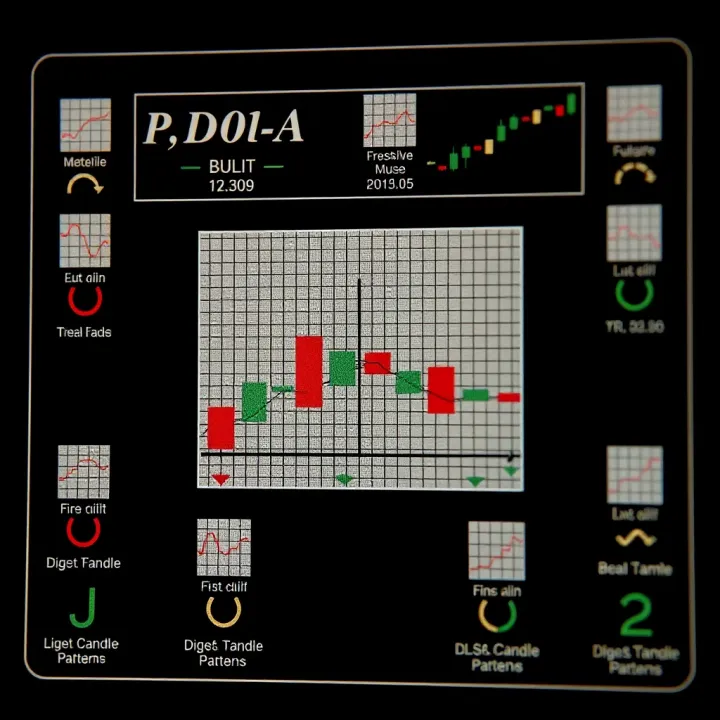
📈 Aprende a identificar y aplicar patrones de velas japonesas en el análisis financiero para mejorar tus decisiones de inversión en el mercado colombiano con seguridad.
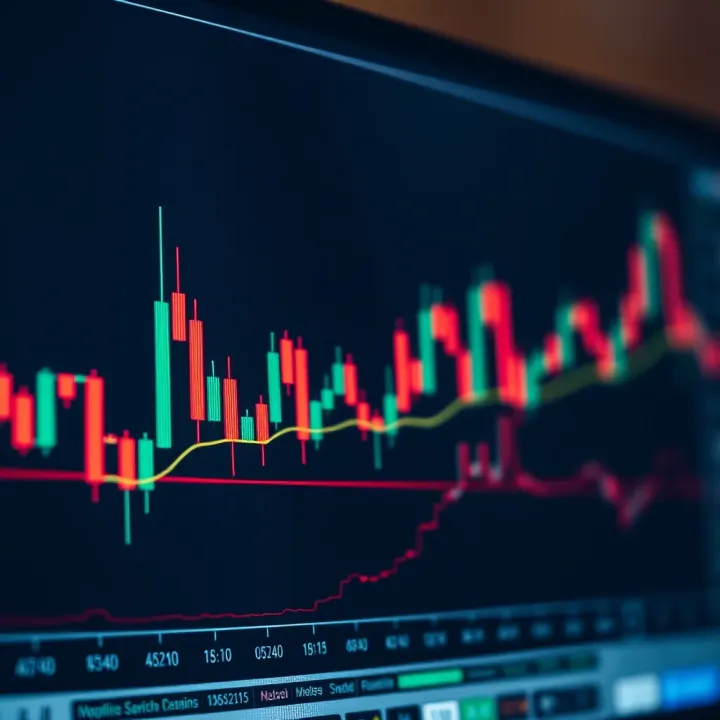
📈 Aprende a interpretar velas japonesas para mejorar tus inversiones. Guía práctica con ejemplos y tips útiles para el mercado financiero colombiano. 🇨🇴
Basado en 15 reseñas