

Introducción al Trading Forex en España
📈 Descubre cómo funciona el trading Forex en España: aprende estrategias clave, elige plataformas seguras y conoce los riesgos y beneficios para invertir con confianza.
Editado por
Carlos Méndez
Starting a nonprofit foundation isn’t just about good intentions—it’s about setting up a strong, legal structure that can stand the test of time. Before diving into paperwork or fundraising, get clear on what your foundation will stand for and how it plans to operate.
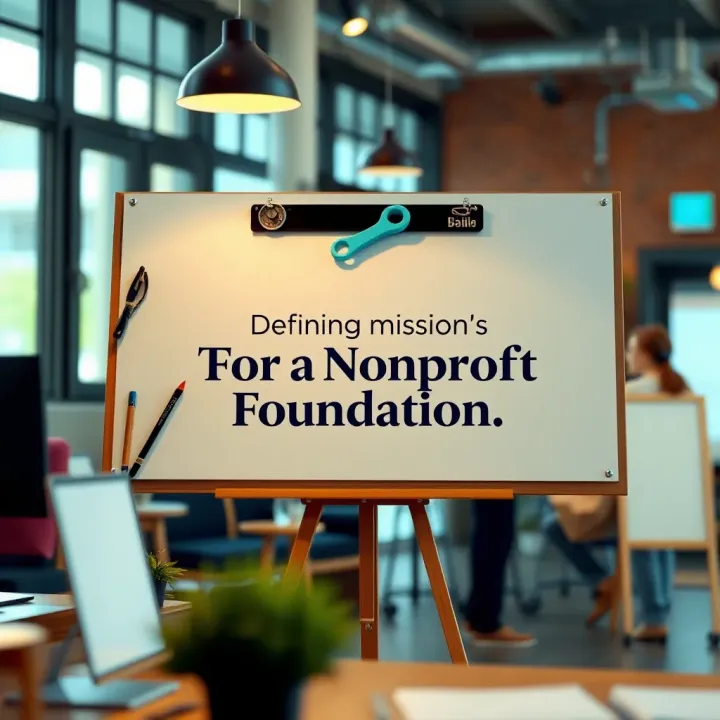
Your mission is the backbone. It answers "why" your foundation exists. Be specific. For instance, instead of a vague goal like "helping the community," focus on something like "providing scholarships for underprivileged high school students in Chicago." A clear mission not only guides your work but also helps attract donors, volunteers, and board members who share your passion.
To become a legit nonprofit foundation, you must register with the IRS for tax-exempt status—typically a 501(c)(3). This process involves:
Choosing a unique name that complies with your state's rules.
Filing Articles of Incorporation with the state government.
Creating bylaws that detail governance and operational procedures.
Applying for an Employer Identification Number (EIN) from the IRS.
Getting tax-exempt status can take several months, so plan your timeline accordingly.
Each step requires attention to detail, and mistakes can delay your approval or create future headaches.
Nonprofit foundations need a board of directors to steer the ship. The board is legally responsible for the organization's actions and helps with strategic decisions, fundraising, and financial oversight. Aim for a diverse mix of skills—law, finance, marketing—to cover all bases.
Although your nonprofit does not seek profit, it still needs money to operate. Fundraising can come from grants, donations, events, or partnerships. Early on, drafting a realistic budget will help you understand how much money you need and how to keep your foundation sustainable.
Transparency is key. Accurate records on finances, meeting minutes, and donor information not only fulfill legal requirements but build trust with supporters. Invest in simple accounting software tailored for nonprofits to keep your books in check.
Setting up a nonprofit foundation takes effort, but with a clear mission and solid paperwork, you set the stage for a meaningful impact that lasts.
Starting with a clear understanding of what a nonprofit foundation actually is can save you from legal headaches and clarify your goals from the get-go. Nonprofits aren't about making money for shareholders or owners; instead, they're vehicles for tackling social issues, supporting communities, or advancing causes. This focus affects everything—from how you set up your organization to what kind of funding you can pursue.
Nonprofit foundations differ significantly from for-profit businesses. The main contrast lies in the purpose: nonprofits aim to serve a public or community benefit, while for-profits focus on earning profits for owners or investors. For example, a nonprofit foundation might work on improving education access, whereas a for-profit company sells products or services to generate revenue.
In practical terms, nonprofits reinvest any surplus revenue back into their mission. They don't distribute profits as dividends. This setup means you need to be comfortable with transparency and strict regulations, especially related to finances and governance.
Nonprofit foundations often target social change, environmental protection, health initiatives, education, or cultural preservation. A local foundation, for example, may focus on funding after-school programs or providing resources for underserved neighborhoods. These goals guide your mission statement and shape how you measure success.
By honing in on specific problems, your foundation can attract dedicated donors and volunteers looking to make a real difference. Plus, clear goals make it easier to build community partnerships and justify grant requests.
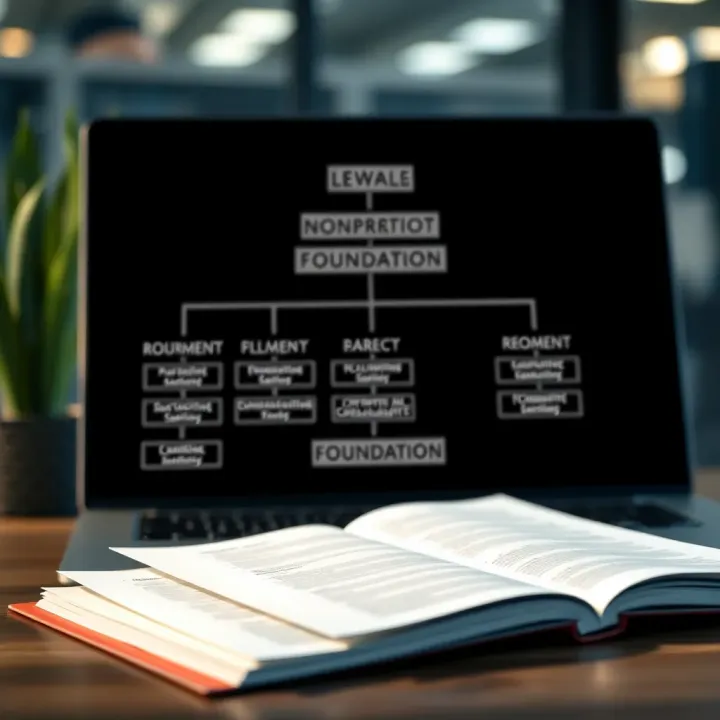
One of the biggest perks of starting a nonprofit foundation is the potential for tax-exempt status, typically under section 501(c)(3) of the IRS code. This exemption can save you a significant amount on income taxes, letting more funds go toward your programs.
Donors also benefit—they often receive tax deductions for their gifts. This can help increase donations from individuals and corporations looking for charitable tax incentives. Additionally, your foundation might qualify for grants and discounts unavailable to for-profit entities.
Running a nonprofit foundation gives you a direct channel to contribute positively to society. Whether it’s improving local education, supporting medical research, or protecting natural habitats, your efforts can create lasting social value.
Beyond mission impact, nonprofits often boost community engagement by bringing people together for a cause. This fosters a sense of responsibility and connection, which can help mobilize resources and strengthen your foundation’s influence over time.
Establishing a nonprofit foundation isn’t just a legal step—it’s creating a platform where your vision can turn into tangible community benefits. Understanding these basics lays a solid groundwork for everything that follows.
Planning your foundation's mission and structure is the foundation of its success. Without a clear mission and a solid organizational setup, even the best intentions can fall flat. This phase defines your foundation’s purpose, who it serves, and how it operates day-to-day. Think of it as setting the blueprint for everything that follows.
A clear mission statement acts like a north star for your foundation. It defines what your nonprofit stands for and guides every decision, from fundraising efforts to program development. For example, a foundation focused on urban youth education should clearly state its commitment to improving access and quality in learning. This focus prevents mission drift and helps your team stay aligned.
Setting realistic and achievable goals is equally vital. Ambitious projects are great, but unrealistic goals can lead to burnout or donor skepticism. Break your mission into tangible steps—maybe starting with a pilot educational program in one neighborhood before expanding citywide. This approach not only makes progress measurable but also builds confidence among supporters and stakeholders.
The board of directors carries heavy responsibility—they’re the backbone of your foundation’s governance. Their roles include guiding the mission, overseeing finances, and ensuring legal compliance. For instance, a board member’s commitment to fundraising can directly influence the foundation’s financial health. Clear roles help avoid confusion and promote accountability.
Management and staff choices impact how smoothly your foundation runs. Hiring someone with nonprofit experience for an executive director role can make a big difference, especially in managing programs and fundraising. Smaller foundations often rely on volunteers or part-time staff, but it’s crucial to establish clear responsibilities regardless of size. Effective management ensures daily operations align with long-term goals.
Planning the mission and structure carefully saves time, money, and headaches later on. It’s simpler to build a solid base than to fix a shaky one.
By focusing on a precise mission and thoughtful organizational design, your nonprofit foundation stands a better chance of making a real difference.
Before launching your nonprofit foundation, understanding the legal steps involved is critical. Navigating these requirements ensures your organization operates legally, gains credibility, and qualifies for tax benefits. Skipping or mishandling legal formalities can lead to setbacks or penalties down the line.
Choosing the right name for your nonprofit isn't just about branding—it's a legal necessity. The name must be unique within your state to avoid confusion with existing organizations and meet state-specific naming rules. For example, many states require the words "nonprofit" or "foundation" to be included in the name, signaling its purpose upfront. Checking availability on the state’s business registry and trademark databases will save headaches during registration.
Once you've settled on a compliant name, you file your articles of incorporation with the state government. These documents officially record your foundation’s existence and include key details like your mission, address, registered agent, and governance structure. Filing articles creates a legal entity distinct from its founders, protecting personal assets and laying the groundwork for tax-exempt status. For instance, if you start a foundation in California, the Secretary of State's office handles these filings, typically charging around $30 to $100 for the service.
Securing 501(c)(3) status from the IRS is a major step for nonprofits wanting to be recognized as tax-exempt. This status not only exempts your foundation from federal income tax but also encourages donors by allowing their contributions to be tax-deductible. The application involves filling out IRS Form 1023 or the streamlined 1023-EZ for smaller foundations. Properly completing this form demands detailed descriptions of your activities, governance, finances, and purpose.
Alongside Form 1023, you must provide your articles of incorporation, bylaws, financial statements, and sometimes conflict of interest policies. The IRS review process for full Form 1023 applications usually takes 3 to 6 months, although timelines can vary. For smaller groups using 1023-EZ, approval might be faster, often under 90 days. Preparing these documents carefully and responding promptly to IRS requests can speed up the process and avoid costly resubmissions.
Getting the legal groundwork right builds a strong foundation for your nonprofit’s credibility, operational stability, and fundraising prospects. Neglecting these steps risks delays and lost opportunities.
By following these legal requirements carefully, your nonprofit foundation will set itself up to make a meaningful and lasting impact without legal hiccups.
Establishing a strong foundation for operations and governance is a must when starting a nonprofit. This phase ensures your organization runs smoothly, stays compliant with legal standards, and remains focused on its mission. Without clear operations and governance, a nonprofit can easily lose direction or face financial and legal troubles.
Creating rules for governance and decision-making is about building the framework your nonprofit will follow to make consistent, transparent decisions. Bylaws outline essential practices, such as how board members are appointed, how meetings are conducted, and how voting occurs on key issues. For instance, a nonprofit might specify that major decisions require a two-thirds board vote to avoid unilateral actions. This clarity prevents confusion and conflicts, ensuring everyone understands their roles and the organization's procedures.
Conflict of interest policies play a critical role in maintaining trust and integrity. These policies require board members and staff to disclose any personal interests that might influence their decision-making. Suppose a board member stands to benefit financially from a fundraising contract; a conflict of interest policy ensures this is declared and handled appropriately to prevent biased decisions. This not only protects your nonprofit’s reputation but keeps operations ethical and transparent.
Budget planning and financial controls are crucial in steering your nonprofit's money wisely. A solid budget helps track income and expenses, ensuring the organization doesn’t overspend or run out of funds unexpectedly. For example, regular financial reviews and approvals by the board help catch mistakes early. Effective controls, like requiring two signatures on checks or regularly reconciling bank statements, safeguard against fraud or mismanagement.
Fundraising strategies and donor relations fuel your nonprofit’s ability to fulfill its mission. Adopting a mix of approaches—such as grant applications, crowdfunding, and donor events—broadens your support base. Equally important is maintaining good relationships with donors. Simple practices like personalized thank-you notes, regular updates on how funds are used, and donor recognition events encourage ongoing support. For example, organizations like the American Red Cross excel by combining clear communication with diverse fundraising channels, securing steady income streams.
Setting up solid operations and governance isn’t just a box to check—it’s the backbone of any lasting nonprofit. Getting these basics right gives you the best shot at sustainable impact and community trust.
Maintaining compliance and sustainability is vital for any nonprofit foundation. It ensures your foundation remains eligible for tax-exempt status and builds trust with donors, stakeholders, and the community. Without consistent oversight and adherence to legal and operational standards, even well-intentioned organizations risk losing their nonprofit standing or facing financial penalties.
Annual filings and audits are foundational to compliance. Nonprofits typically must file Form 990 with the IRS each year, detailing income, expenses, and governance practices. These filings are public records, so transparency is not optional. For example, imagine a foundation focused on environmental causes failing to submit this form on time. The IRS might revoke its tax-exempt status, causing donors to lose confidence and funding to dry up.
Audits or reviews may also be required depending on your foundation's size or state laws. These financial check-ups protect your organization by catching mismanagement before it snowballs. Keeping clean, accurate records—bank statements, receipts, contracts—makes audit time less painful and ensures you can back up every dollar in your budget.
Maintaining nonprofit status standards goes beyond paperwork. Your foundation must engage in activities consistent with its stated mission without drifting toward profit-making. If your foundation starts pumping excessive resources into unrelated business ventures, the IRS may question your tax exemption.
Moreover, compliance with state-level regulations is equally important. Some states require periodic renewals or additional reporting for nonprofits. Failing to comply promptly could cause suspension or fines. Staying up to date with these requirements prevents surprises that disrupt your foundation’s work.
Community engagement and partnerships build the foundation’s roots and widen its influence. Nonprofits thrive when they work alongside local groups, businesses, and government agencies. For instance, a foundation tackling youth education might partner with school districts and local libraries to extend program reach without doubling costs.
Such partnerships increase resources, avoid duplicated efforts, and strengthen your reputation. Engaged communities also provide honest feedback, helping your foundation stay relevant and effective. The bottom line is that meaningful connections help your nonprofit last far beyond its founding years.
Evaluating and adjusting programs keeps your foundation from drifting off course or wasting funds on outdated practices. Periodic reviews assess if programs meet goals or if changing community needs require a pivot. For example, a health-focused foundation might find telehealth services more impactful today than traditional clinics.
Data-driven decisions backed by surveys or impact metrics offer clarity. When programs are adjusted thoughtfully, your foundation maximizes its benefit to the community while demonstrating accountability to donors and regulators. This ongoing course correction is key to sustainable success.
Staying compliant and strategically growing your nonprofit foundation ensures you can keep serving your mission effectively—year after year.
📈 Descubre cómo funciona el trading Forex en España: aprende estrategias clave, elige plataformas seguras y conoce los riesgos y beneficios para invertir con confianza.
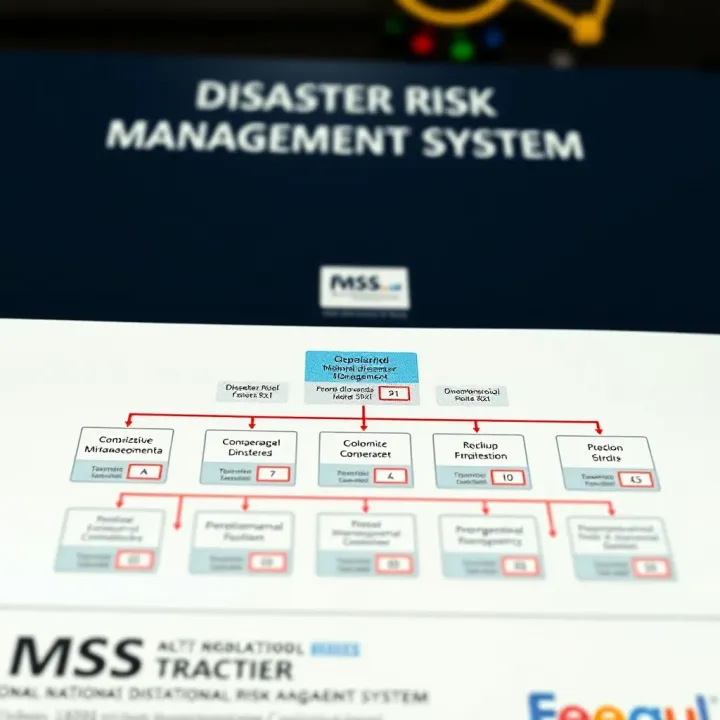
🌎 Descubre cómo el SNGRD en Colombia organiza y ejecuta estrategias claves para gestionar riesgos de desastres naturales y humanos, involucrando a comunidades y territorios.
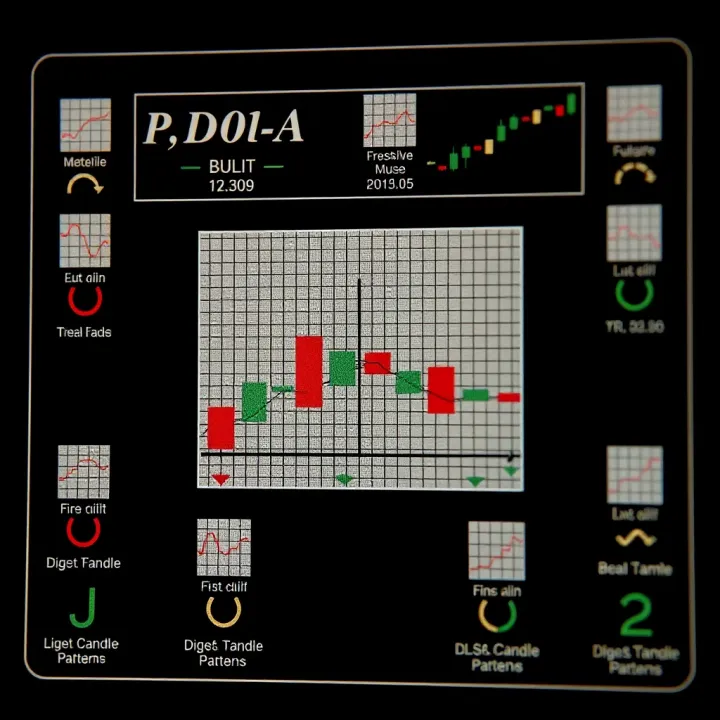
📈 Aprende a identificar y aplicar patrones de velas japonesas en el análisis financiero para mejorar tus decisiones de inversión en el mercado colombiano con seguridad.

📈 Aprende a interpretar velas japonesas para mejorar tus inversiones. Guía práctica con ejemplos y tips útiles para el mercado financiero colombiano. 🇨🇴
Basado en 8 reseñas