

Introducción al Trading Forex en España
📈 Descubre cómo funciona el trading Forex en España: aprende estrategias clave, elige plataformas seguras y conoce los riesgos y beneficios para invertir con confianza.
Editado por
Miguel Ángel Cruz
When it comes to sending US dollars to Colombian pesos through Western Union, a few key points can make the process smoother and more cost-effective. First off, Western Union is one of the most widely available money transfer services with a strong presence in Colombia, making it a go-to option for many traders, investors, students, and entrepreneurs.
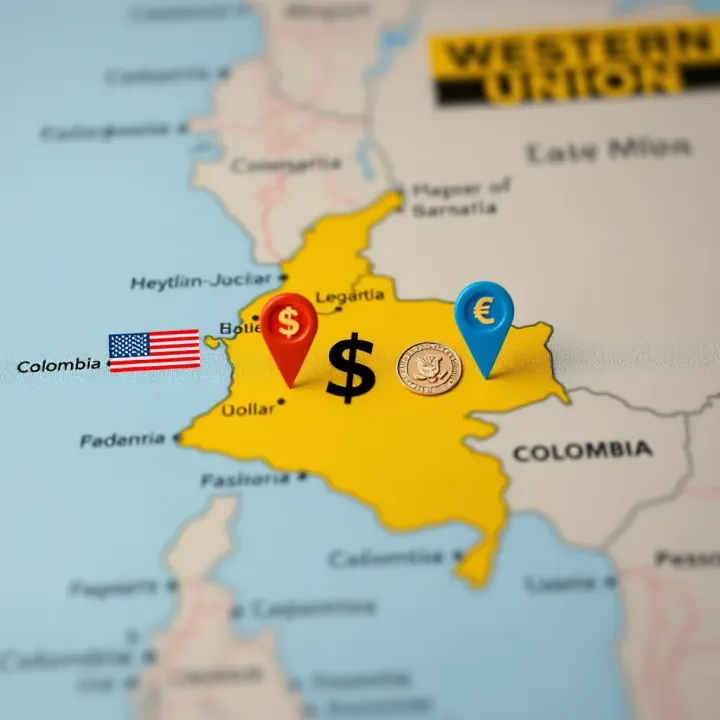
The exchange rate between the US dollar and the Colombian peso fluctuates daily based on market demand. Western Union sets its exchange rates independently, usually adding a margin to the mid-market rate. This margin can vary, meaning you might get fewer pesos per dollar than the official rate suggests.
To put it plainly, if the mid-market rate is 4,000 COP per $1, Western Union might offer 3,950 COP per $1. That difference might seem small but can add up, especially when sending larger sums.
Western Union charges a transfer fee that depends on how you pay (bank account, credit/debit card, or cash) and where the money is sent. For example, sending $200 using a bank account might cost $5 in fees, while paying by credit card could be $12 or more. Plus, the recipient might pay a fee if the funds are picked up in cash.
You start by selecting the amount in USD you wish to send. Western Union then estimates the amount your recipient will receive in pesos, including all fees and exchange rate margins. Your recipient can collect pesos at thousands of agent locations across Colombia or have the money deposited directly into their bank account.
Keep in mind: Rates and fees shown online at the time of transfer are locked in for a limited duration, usually 24 hours. Delaying your transaction might change those rates.
Compare rates: Check other transfer services alongside Western Union to see who offers the best rates and fees for your amount.
Timing matters: Currency rates shift throughout the day; sending money when the dollar is strong against the peso can get you more local currency.
Use bank transfers: Funding your transfer via bank account instead of credit card often cuts down fees.
Understanding these moving parts helps you make informed decisions and manage costs effectively. It's about more than just hitting "send"—you want to get the most pesos for your dollars while keeping the process safe and straightforward.
Understanding how currency conversion works between U.S. dollars (USD) and Colombian pesos (COP) is essential, especially when you’re sending money through services like Western Union. The rate at which your dollars convert into pesos determines how much value the recipient actually receives. So, knowing the factors that influence exchange rates helps you time transfers and manage costs effectively.
Exchange rates float based largely on supply and demand in global currency markets. Banks, financial institutions, and traders buy and sell currencies constantly, setting rates that reflect how much one currency costs in terms of another. For example, if many investors expect the U.S. economy to strengthen, more people might buy dollars, raising its value relative to the peso.
These rates aren’t fixed. The rates you see when you send money include a margin over the mid-market rate — this margin accounts for service providers’ costs and profits. So, the rate offered by Western Union might be slightly less favorable than the publicly quoted figure from financial markets.
Several elements influence USD to COP rates, including political stability in Colombia, inflation rates, and U.S. economic policies. For example, if Colombia faces political unrest, investors might pull money out, weakening the peso against the dollar.
Commodity prices also matter since Colombia exports oil and coffee—prices dipping in these sectors can impact the peso’s strength. On the U.S. side, interest rate changes by the Federal Reserve can affect the dollar’s appeal. A hike in U.S. rates may boost the dollar, making it stronger against the peso.
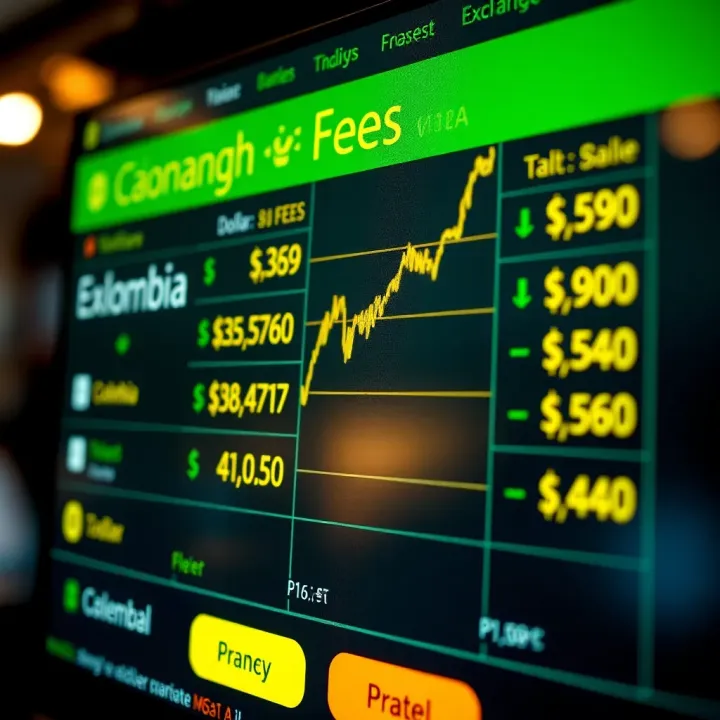
Over the past few years, the dollar-to-peso rate has seen ups and downs tied to global economic conditions. For instance, during the COVID-19 pandemic early 2020, the peso weakened significantly due to market uncertainty and capital flight.
However, the peso showed signs of recovery in 2021 as commodity prices surged and Colombia’s economy started to stabilize. Observing such trends can guide you on when a transfer might yield a better conversion.
Certain times of the year see more demand for pesos, like during holidays or crop harvest seasons, which can push exchange rates in favor of the peso. Additionally, economic reports like Colombia’s GDP growth or inflation figures released quarterly can create swings.
Keep in mind that election periods in Colombia can introduce volatility, as market watchers respond to potential policy changes.
Understanding these dynamics helps you make smarter decisions when sending money from the U.S. to Colombia, ensuring your recipients get the most value from every transfer.
Western Union remains a popular choice for sending US dollars to Colombian pesos because of its wide reach and ease of use. Whether you're a trader needing to support a Colombian supplier, a student managing tuition payments, or an entrepreneur dealing with cross-border business, Western Union offers practical solutions to move money securely and quickly.
Western Union boasts thousands of agent locations spread throughout Colombia, including convenience stores, banks, and dedicated money transfer offices. This extensive network means recipients can pick up cash almost anywhere in the country, from big cities like Bogotá and Medellín to smaller towns. Plus, Western Union provides an online platform that lets senders initiate transfers anytime without visiting a physical store.
Beyond just locations, Western Union plays a big role in remittances to Colombia. Millions of Colombians rely on money sent from abroad to support families, pay bills, and invest in businesses. Western Union's reliable infrastructure and multiple payout methods—cash or bank deposit—make it a preferred channel for fast, frequent transfers.
The sending process is straightforward. First, you pick a method: online transfer, app payment, or a visit to an agent. After that, you enter recipient info, select the delivery type (cash pickup or bank deposit), and fund your transfer with a debit card, bank account, or cash. Once confirmed, you get a tracking number to share with the recipient.
You must provide valid ID to comply with regulatory rules. When sending online, a government-issued photo ID like a passport or driver's license is often required. If you visit an agent, bring your ID plus the recipient's full name and location. Having all proper documents ready avoids delays and ensures a smooth transfer.
For cash pickup, recipients simply visit any Western Union agent location with their tracking number and ID to collect pesos almost instantly. This is handy if they need funds quickly or don't have a bank account.
Alternatively, Western Union supports direct bank deposits in Colombia. Funds usually hit the recipient’s bank within a day or two, depending on the bank's processing times. This option reduces the need to travel and provides safer, contactless access to money, which is especially convenient during health concerns or for remote locations.
Using Western Union for your dollar to Colombian peso transfers balances convenience, speed, and security, making it a solid choice for many kinds of senders and receivers.
Understanding the fees and costs tied to Western Union transfers is key for anyone sending money from the US to Colombia. These charges directly impact how much your recipient will get in Colombian pesos, so keeping them in check can save you a fair amount. Whether you’re a trader moving funds internationally, a student receiving support, or an entrepreneur paying suppliers, knowing where your money goes helps you make smarter decisions.
Western Union’s fee structure varies depending on how you send your money. If you choose to send funds in person at a Western Union agent, expect to pay a higher fee compared to sending money online or through their app. For example, a $500 transfer made online might cost around $5 to $10 in fees, whereas the same amount sent in cash at a store might run you $15 or more.
Also, the type of payment method matters. Paying with a debit card or bank account is usually cheaper than using a credit card, which often incurs extra charges. Plus, some promotional offers or loyalty programs may reduce fees, but these aren't always available. It's practical to compare fees by inputting your transfer details on Western Union's website before committing.
The amount you transfer also affects the fees. Generally, sending larger amounts attracts higher fees in absolute terms, but the percentage fee often decreases. For instance, a $100 transfer might have a $7 fee (7%), while a $1,000 transfer might cost $15 (1.5%). This means sending a big amount in one go tends to be more cost-efficient than multiple smaller transfers.
Aside from fees, Western Union makes money through exchange rate margins—the difference between the mid-market rate (the real exchange rate you see on financial news) and the rate offered to you. Typically, this margin can add a few percentage points to your cost. For example, if the mid-market rate is 4,000 COP per USD, Western Union might offer you 3,900 COP per USD. That difference reduces the pesos your recipient gets.
Bottom line: Always check both the fee and the offered exchange rate before sending. Both contribute to the overall cost.
To estimate the total cost of your transfer, add the explicit fee to the amount lost in the exchange rate margin. If you send $500, pay a $10 fee, and the rate margin effectively costs you another $15 worth in pesos, your total cost is $25. This straightforward calculation helps you compare Western Union with other services, which may have different fee and rate structures.
In summary, understanding the breakdown of fees and exchange rate margins equips you to make wiser transfer choices, ensuring more dollars actually turn into Colombian pesos for your intended recipient.
When sending money from the US to Colombia through Western Union, getting the best exchange rates and minimizing costs is key. Small differences in rates and fees can add up, especially if you're a student sending tuition money regularly or an entrepreneur managing cash flow. Knowing when and how to transfer funds smartly makes a clear difference in the total amount your recipient receives.
Monitoring exchange rates involves keeping an eye on the USD to Colombian Peso rate before making your transfer. Exchange rates can change day-to-day depending on supply and demand, geopolitical events, or economic data releases. Using apps or websites that track these rates helps you spot favourable moments to send money. For example, the dollar might strengthen a bit against the peso during a US Federal Reserve rate hike, stretching your dollars further in Colombia.
Planning transfers around economic events means timing your transactions to avoid sudden market swings. Colombian economic announcements like inflation reports or central bank decisions can cause quick rate shifts. Similarly, US events such as job reports or trade talks influence the USD. If you’re not in a rush, waiting until after these key dates can prevent your money being hit by unexpected rate drops. For instance, transfers just before a major holiday in Colombia may cost more due to higher demand.
Alternative money transfer options to Western Union include platforms like Wise, Remitly, and Xoom. These providers often offer lower fees or closer-to-market exchange rates but may lack Western Union’s extensive physical network for cash pickups. Depending on your needs—whether convenience, cost efficiency, or speed—checking how these services compare makes sense. Wise, for instance, typically offers real mid-market rates, which can save you money if bank deposits suit your recipient.
Pros and cons of Western Union come down to reach versus cost. Western Union’s giant network offers quick, reliable cash pickups in thousands of Colombian locations, even in remote areas. That convenience may come with higher fees and less favorable margins compared to some digital-only services. Yet, for urgent transfers or for recipients without bank accounts, Western Union still stands out. The bottom line: if your priority is speed and physical access, Western Union is hard to beat. But if lowering the overall cost matters more, exploring alternatives could pay off.
Keep in mind: Doing a little prep and comparing options before every transfer could save up to several percentage points on fees and exchange rates, boosting the value your recipient actually gets.
By understanding when to send your money and checking other providers alongside Western Union, you’ll stretch your dollars further and make every transfer count.
When you're sending money internationally, especially from the US to Colombia via Western Union, security and legal regulations aren't just a nuisance—they're essential for protecting both your funds and your identity. Understanding these considerations can save you from costly mistakes, delays, or worse, fraud.
Recognizing scams is the first line of defense. Scammers often pose as legitimate Western Union agents or even family members in distress, urging quick transfers. One common trick involves someone claiming an emergency and pressuring the sender to skip normal verification steps. Knowing that Western Union will never ask you to send money to unknown individuals via wire with little explanation can help you spot these fraud attempts. Always verify requests independently before sending.
Protecting personal and financial information goes hand in hand with recognizing scams. It's tempting to provide details quickly, especially if you think you're helping a loved one, but oversharing can open doors to identity theft. For example, sharing your full Social Security number, bank account details, or passwords over the phone or email is never safe. Western Union recommends using strong passwords for your online account and only conducting transfers on secure networks. Avoid public Wi-Fi when logging into financial accounts to reduce the risk of interception.
Money transfers between countries must comply with both nations' laws. Reporting requirements ensure the government monitors large or suspicious transfers to prevent money laundering or illegal activities. In the US, transfers exceeding $10,000 require filing a Currency Transaction Report (CTR) with the Financial Crimes Enforcement Network (FinCEN). Meanwhile, Colombian authorities also track inbound funds to ensure legality. For senders, this means being prepared to provide documentation like IDs and the purpose of the transfer when requested.
Limits on transfer amounts are another important legal aspect. Western Union and regulators often impose maximum transfer limits per transaction or per day. For example, transfers above $3,000 might trigger additional verification steps or reporting. These limits protect against fraud and comply with anti-money laundering rules. If you need to send larger sums, spreading the amount across multiple transactions with careful records can be a practical approach, but always check current policies to stay compliant.
Keeping security and legal factors in check not only safeguards your money but also ensures your transfers go through smoothly without unexpected hurdles.
Following these guidelines helps you stay ahead of potential risks and makes your dollar to Colombian peso transfers via Western Union more secure and reliable.
📈 Descubre cómo funciona el trading Forex en España: aprende estrategias clave, elige plataformas seguras y conoce los riesgos y beneficios para invertir con confianza.
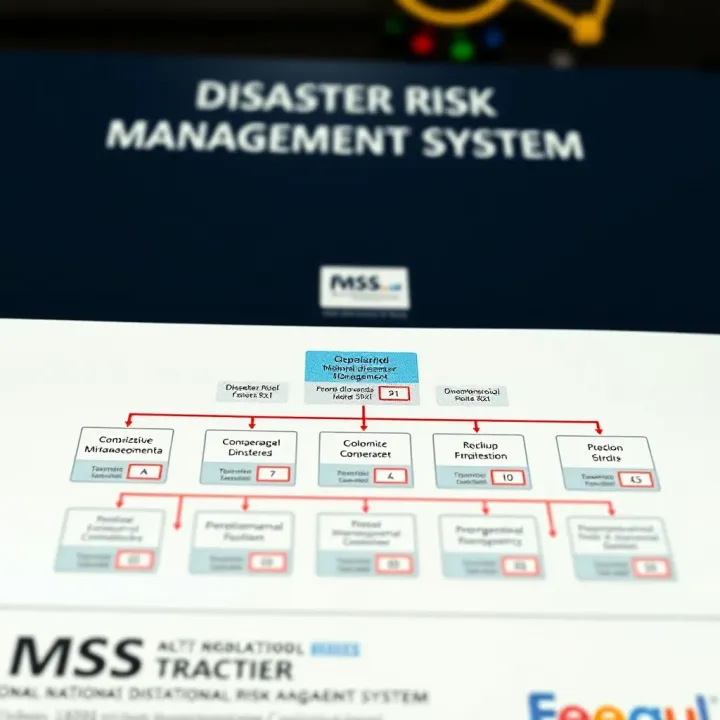
🌎 Descubre cómo el SNGRD en Colombia organiza y ejecuta estrategias claves para gestionar riesgos de desastres naturales y humanos, involucrando a comunidades y territorios.
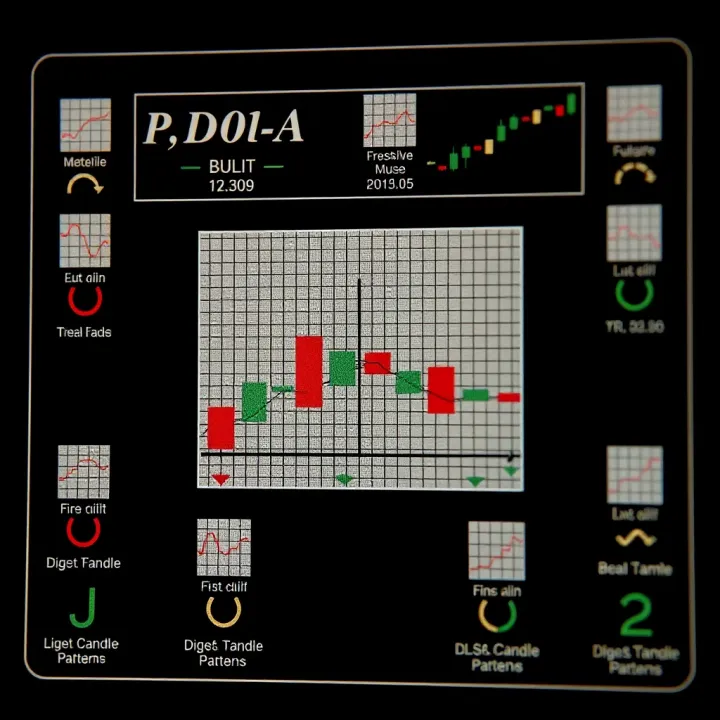
📈 Aprende a identificar y aplicar patrones de velas japonesas en el análisis financiero para mejorar tus decisiones de inversión en el mercado colombiano con seguridad.

📈 Aprende a interpretar velas japonesas para mejorar tus inversiones. Guía práctica con ejemplos y tips útiles para el mercado financiero colombiano. 🇨🇴
Basado en 12 reseñas